
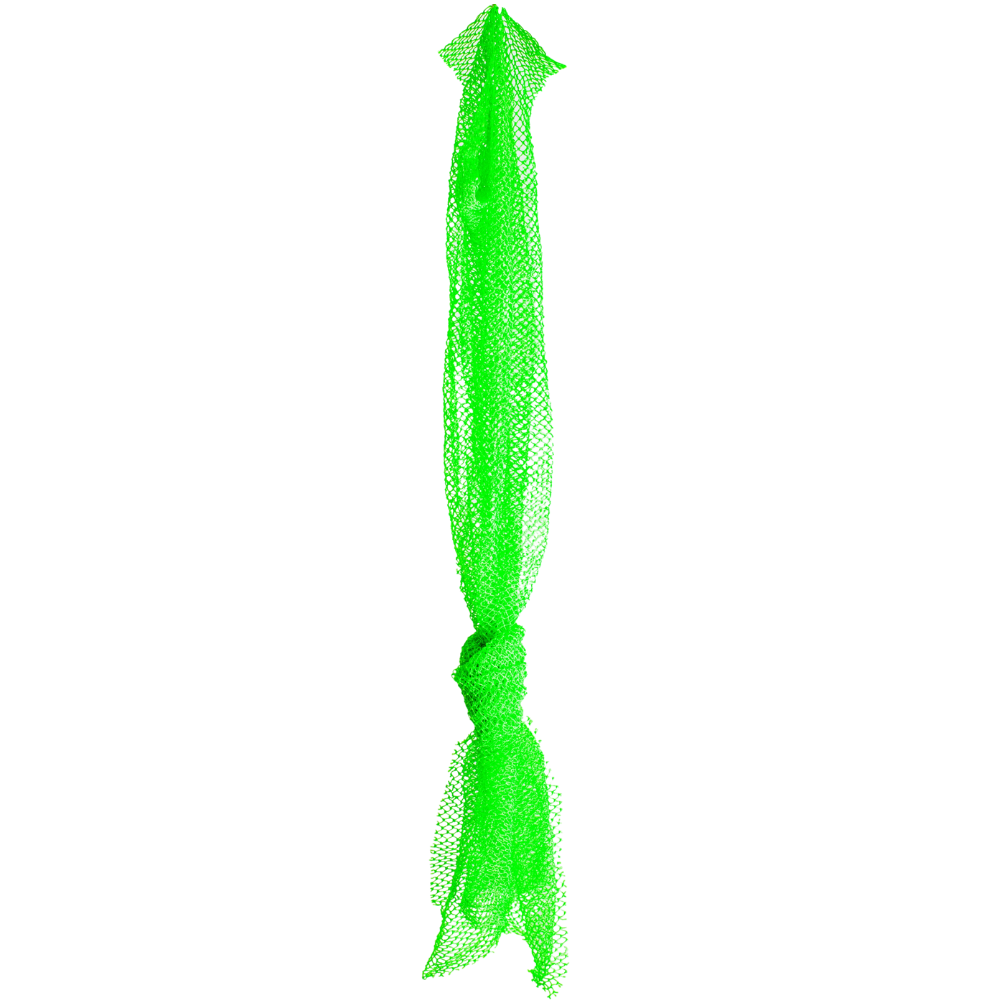
The West African exfoliating net sponge doesn't get the same attention as the soaps and butters it's usually paired with, but it's genuinely part of the same routine — the tool that makes black soap work as well as it does.
What It Is
The exfoliating net sponge is a stretchy, mesh-like nylon bath cloth, distinct from a foam loofah or a natural sea sponge. Its net structure generates a much richer lather from bar soap than hands alone, while also providing light physical exfoliation as it moves across skin. Our extra-large exfoliating net is sized for full-body use rather than smaller facial-only sponges.
Breaking In a New Net Sponge
A brand-new net sponge can feel stiffer and less flexible straight out of the packaging — a few uses with soap and water typically softens it into a more comfortable, pliable texture without losing its exfoliating structure.
How to Use It
Wet the sponge, work a bar of soap directly into the net (or add liquid soap), and rub the sponge between your hands briefly to build a thick lather before applying to skin in circular motions. This pairs especially well with a coarser bar soap like African black soap — see our full black soap guide — since the net helps distribute the soap's cleansing action more evenly and generates a lather the soap alone struggles to produce.
How Often to Exfoliate
Most people can use a net sponge for exfoliation 2–3 times a week without over-exfoliating; using it daily on sensitive skin can feel abrasive over time. Following up with a moisturizer like shea butter — see our shea butter guide — helps offset any dryness from more frequent exfoliation.
Cleaning and Drying Between Uses
Rinse the net sponge thoroughly after each use to remove soap residue and skin cells, then hang it somewhere it can fully air-dry rather than leaving it balled up in a damp shower corner — trapped moisture is what allows bacteria and mildew to build up in a net sponge over time.
Net Sponges vs. Loofahs and Washcloths
Compared to a natural loofah, a net sponge generally dries faster (less absorbent material to hold onto moisture) and tends to build a richer lather more easily. Compared to a plain washcloth, the net's textured structure provides more active exfoliation, whereas a washcloth is primarily just a soap-delivery tool without much abrasive effect of its own.
Choosing a Sponge Size
An extra-large net sponge, like ours, is sized for efficient full-body coverage in fewer passes than a smaller sponge would require — worth choosing if you want a quicker daily wash routine, rather than a smaller size that may need more repositioning to cover the same amount of skin.
Sensitivity Considerations
If you have very sensitive or easily irritated skin, starting with lighter pressure and shorter exfoliating sessions helps you gauge how your skin responds before committing to a regular routine. Redness that lasts well beyond the shower, rather than fading within a few minutes, is a sign to ease off frequency or pressure.
When to Replace It
A net sponge that starts to smell musty even after thorough drying, or one that's visibly fraying or losing its stretch, should be replaced — most people find replacing a net sponge every 4–6 weeks with regular use keeps it both effective and hygienic. Browse our bath and body accessories collection for the rest of a full routine.
Frequently Asked Questions
How is a net sponge different from a loofah?
A net sponge is a stretchy nylon mesh, distinct from a foam loofah or natural sea sponge, and it's especially effective at generating a rich lather from bar soap.
How often should I use an exfoliating net sponge?
Most people can use it 2–3 times a week without over-exfoliating; daily use on sensitive skin can start to feel abrasive.
How do you clean a net sponge?
Rinse it thoroughly after each use and hang it to fully air-dry, since trapped moisture allows bacteria and mildew to build up over time.
How often should a net sponge be replaced?
Most people replace one every 4–6 weeks with regular use, or sooner if it develops a musty smell or starts fraying.


