
Palava sauce is one of those West African dishes with a name that raises questions before you've even tasted it — "palava" actually means trouble or a big fuss in West African pidgin, and there are a few competing stories about how a leafy green stew ended up with that name.
What Palava Sauce Is
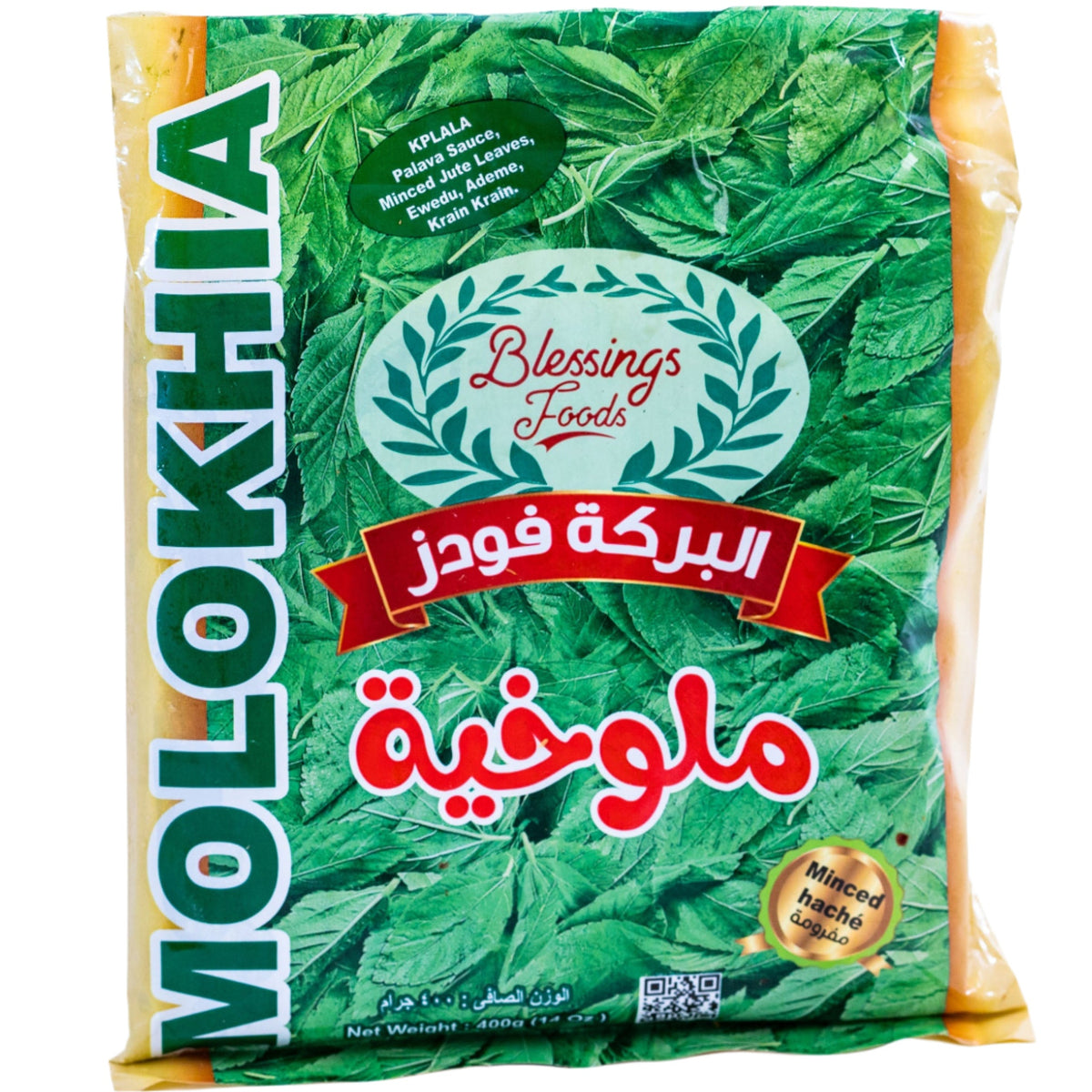
Palava sauce is a rich, leafy-green stew traditionally made with a combination of leafy vegetables (often jute leaves, spinach, or other greens), palm oil, and protein like fish or meat, seasoned and cooked down into a thick, hearty sauce. Our jute leaves are a common base green used in traditional preparations.
What Jute Leaves Bring to the Dish
Jute leaves have a mild, slightly earthy flavor and a naturally somewhat mucilaginous (slightly slippery) texture once cooked, similar in cooking behavior to okra — this texture is part of the traditional dish rather than a preparation mistake. They're typically chopped and simmered down along with the other ingredients rather than left whole.
The Role of Palm Oil
Palm oil is central to palava sauce's traditional flavor and rich orange-red color, the same base ingredient found across many West African stews. Our 100% natural red palm oil is used the same way it is in other palm-oil-based dishes like palm nut soup (abenkwan).
Seasoning and Protein
Palava sauce is typically seasoned with a bouillon cube like our Doli seasoning cubes, along with onion, pepper, and other aromatics. Fish (fresh, smoked, or dried) and meat are both common protein choices, and some versions include ground crayfish or shrimp for additional depth.
Palava Sauce vs. Other Leafy Stews
Palava sauce sits alongside other West African leafy-green stews like bitter leaf soup and garden egg stew as part of the same broader family of vegetable-forward dishes built on a palm-oil base. See our full bitter leaf soup guide (or the bitter leaf product itself) for a comparison, or our garden egg stew guide for a non-leafy-green alternative built on the same pantry staples.
Choosing Fresh Jute Leaves
If you're able to find fresh jute leaves rather than a prepared/frozen version, look for leaves that are vibrant green without significant yellowing or wilting, which indicates freshness. Fresh leaves should be washed thoroughly and chopped finely before cooking, similar in prep style to other leafy greens used in West African stews.
Regional Name Variations
"Palava sauce" and dishes built around jute leaves go by different names across West Africa — the base concept (leafy greens simmered in a palm-oil stew) shows up under regional names in Nigeria, Ghana, and beyond, sometimes with slightly different leaf choices or protein pairings depending on the specific tradition, even when the overall dish family is closely related.
Adjusting Thickness
Palava sauce can range from a fairly loose, soupy consistency to a much thicker, stew-like one depending on how much liquid is used and how long it's simmered — a longer simmer with less added liquid produces the thicker version, generally preferred when the dish is meant to be eaten as a complete meal rather than a side. A looser version works well spooned over rice, while a thicker version holds up better alongside a swallow food that's used to scoop it up directly.
What to Serve It With
Palava sauce is traditionally served over rice, though it also pairs well with boiled yam or plantain. Its hearty, stew-like consistency makes it a filling one-bowl meal rather than a light side dish. Browse our full fresh produce collection for the greens and vegetables to round out the recipe.
Frequently Asked Questions
What is palava sauce made from?
Palava sauce is a leafy-green stew made with leafy vegetables like jute leaves or spinach, palm oil, and protein like fish or meat, seasoned and simmered into a thick sauce.
Why does palava sauce feel slightly slippery?
Jute leaves have a naturally somewhat mucilaginous texture once cooked, similar to okra — this is a normal part of the traditional dish, not a preparation issue.
What can I use instead of jute leaves?
Spinach or other leafy greens are common substitutes if jute leaves aren't available, though the texture will be slightly different.
What is palava sauce served with?
It's traditionally served over rice, though it also pairs well with boiled yam or plantain.


