
"Fufu flour" isn't one product — it's a category, and the base ingredient behind the flour changes the finished swallow food's flavor and texture more than most people expect going in.
Plantain Fufu Flour
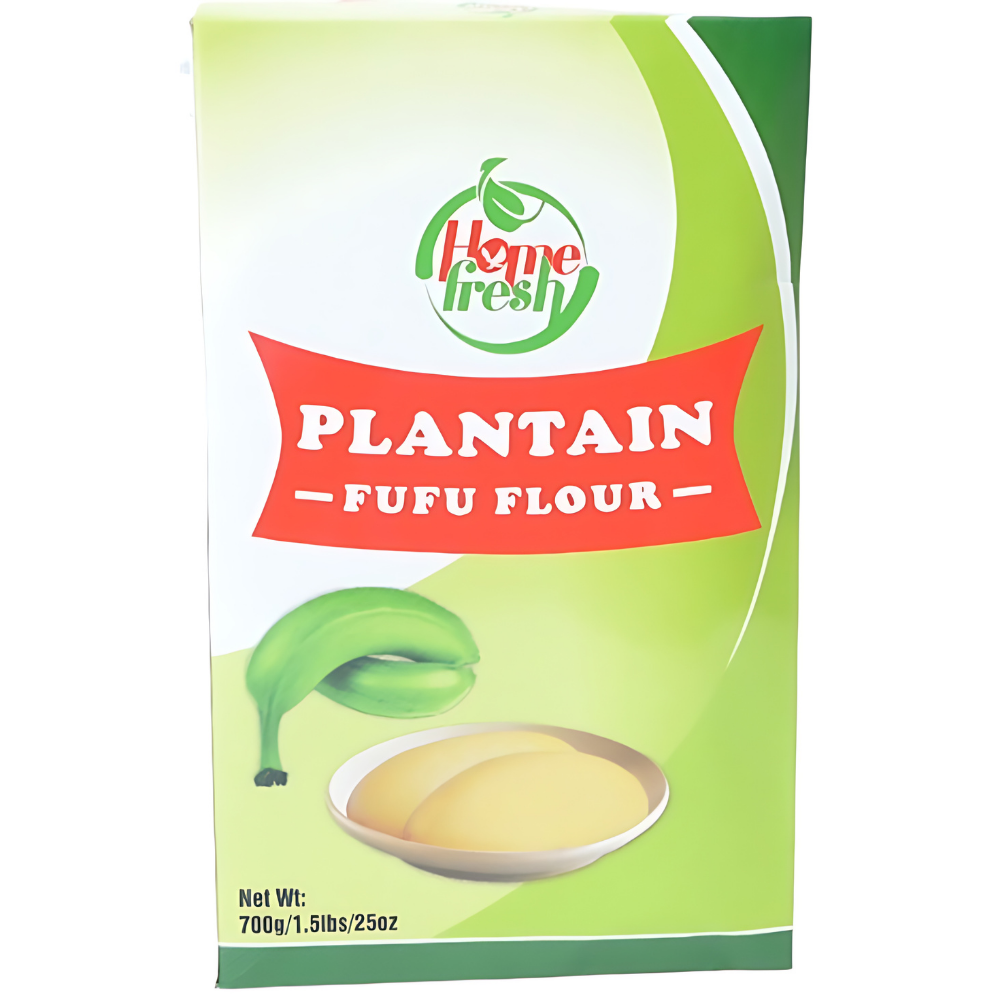
Plantain fufu flour produces a swallow with a subtle natural sweetness and a slightly denser, more substantial texture than a pure cassava version. Our HomeFresh plantain fufu flour and Tropiway plantain fufu flour are both gluten-free options made from plantain.
Cocoyam Fufu Flour
Cocoyam fufu flour has its own distinct, slightly nutty flavor, different from both plantain's mild sweetness and cassava's more neutral base. Our Golden Tropics cocoyam fufu flour is a gluten-free option built specifically around this root vegetable.
Cassava-Based Options
Straight cassava-based products, like gari, lean more neutral in flavor and are used in a wider range of preparations beyond just fufu — our Ghana gari is one such all-purpose cassava product, though it's typically used differently from pounded-and-reconstituted fufu flours (more on gari's uses in our other cassava guides).
Texture Comparison
Across the three, plantain fufu tends to come out slightly denser and heartier, cocoyam fufu has its own smooth but distinct mouthfeel tied to its nutty flavor, and cassava-based swallow foods (like pounded cassava fufu, distinct from gari specifically) are often described as the stretchiest and most neutral base of the group.
Which to Choose
If you want a milder, slightly sweet flavor, plantain fufu is a good starting point. If you want something with more distinct character, cocoyam's nutty profile stands out more. If you want the most neutral canvas that lets the soup or stew flavor lead, a cassava-based option is generally the safest choice. Trying each is really the only way to land on a personal preference, since the differences are more subtle in writing than in the bowl.
Checking Labels for Blends
Some fufu flour products blend two or more base ingredients together (a cassava-plantain blend, for instance) rather than using a single pure tuber source — checking the ingredient list tells you whether you're getting a single-ingredient flour or a blend, since a blend's flavor and texture will land somewhere between the individual pure versions.
Cooking Time for Each
Because these are all pre-processed flours rather than fresh tubers requiring boiling and pounding, preparation time is similar across plantain, cocoyam, and cassava-based products — the main variable is how long you need to stir to reach the desired thickness, which depends more on quantity and heat level than on which specific flour you're using.
Trying All Three Over Time
Because these flours store well and aren't especially perishable, keeping small amounts of a couple of different varieties on hand lets you match the fufu to whichever soup you're making that day, rather than settling on a single default and using it for every meal regardless of pairing. Labeling containers clearly if you keep more than one type on hand avoids mixing them up, since dry flours can look fairly similar once decanted from their original packaging into a shared pantry container without a visible, clearly written label.
Pairing with Yam-Based Swallow Foods
These flour-based fufu options sit alongside pounded yam as part of the broader "swallow food" category — see our full pounded yam vs. fufu comparison for how a yam-based swallow compares to these plant flours specifically.
Beyond Swallow Food: The Same Tubers as Chips
If you're curious how plantain and cassava compare in a completely different format, our tuber chips comparison covers the same base ingredients fried rather than pounded.
Frequently Asked Questions
What's the difference between plantain and cocoyam fufu flour?
Plantain fufu flour has a subtle natural sweetness and denser texture, while cocoyam fufu flour has its own distinct, slightly nutty flavor and a different mouthfeel.
Which fufu flour has the most neutral flavor?
Cassava-based swallow foods are generally the most neutral, letting the flavor of the accompanying soup or stew lead.
Are these fufu flours gluten-free?
Yes — our HomeFresh plantain, Tropiway plantain, and Golden Tropics cocoyam fufu flours are all labeled gluten-free.
How do you prepare fufu flour?
Fufu flours are typically whisked into hot water and stirred continuously until they thicken into a smooth, stretchy dough, similar to preparing banku.


