
Bitter leaf soup doesn't hide what it is — the bitterness is right there in the name, and getting the preparation right is really the whole skill of making a good pot.
What Bitter Leaf Is
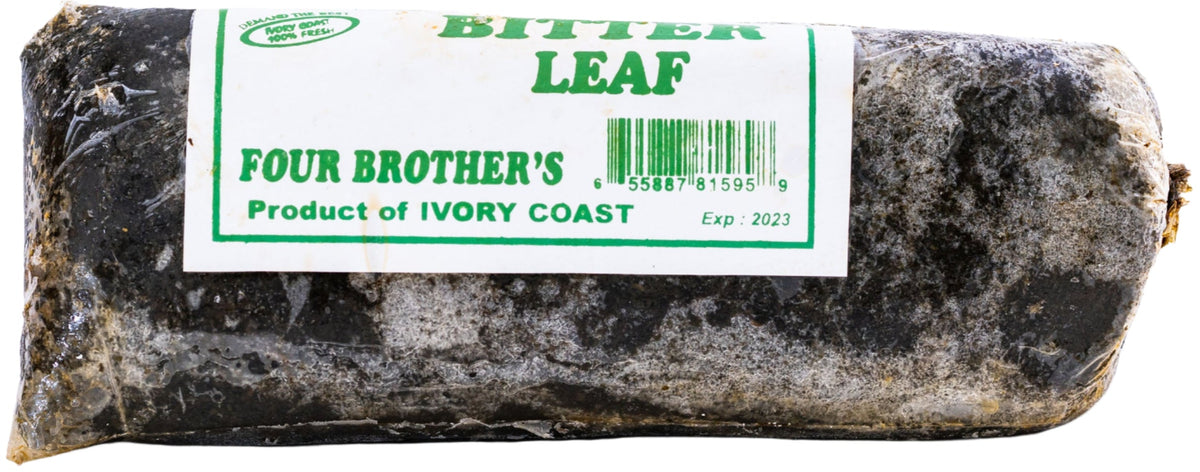
Bitter leaf (Vernonia amygdalina) is a leafy green vegetable used across West and Central African cooking, named for its naturally strong, bitter taste in its raw state. Our bitter leaf comes prepared for cooking rather than requiring the leaf to be sourced and washed entirely from scratch.
Why Washing Matters So Much
Properly washing bitter leaf is the single most important step in the whole dish — thorough washing (traditionally by squeezing and rinsing the chopped leaves repeatedly in water) removes much of the raw bitterness, leaving a more balanced, pleasant flavor rather than an overwhelmingly bitter one. Skipping or rushing this step is the most common reason a homemade batch comes out too bitter to enjoy.
How Much Bitterness Is Normal
Even well-washed bitter leaf retains some characteristic bitter edge — that's the point of the dish and part of what distinguishes it from a plain greens soup. The goal of washing is to tame the bitterness to a pleasant background note, not eliminate it entirely.
Building the Soup
Bitter leaf soup is typically built on a palm-oil base, similar to other West African leafy stews, combined with protein (meat, fish, or a combination) and seasoned with a bouillon cube. Our red palm oil and Doli seasoning cubes cover both of those base ingredients.
Balancing the Bitterness Further
Beyond thorough washing, some cooks balance remaining bitterness with additional protein, ground crayfish, or a slightly heavier seasoning hand — the overall richness of the other ingredients helps offset the bitter note rather than fighting it directly.
How It Compares to Other Leafy West African Stews
Bitter leaf soup sits alongside palava sauce and cassava leaf stew in the broader family of palm-oil-based leafy green stews — each built around a different leaf with its own preparation quirks, bitter leaf's washing step being the most demanding of the three.
Pre-Washed vs. Fresh Bitter Leaf
Some bitter leaf products come pre-washed and ready to cook, cutting down significantly on prep time compared to sourcing and washing fresh leaves entirely yourself. Checking the product description tells you whether additional washing is still recommended before cooking, since the degree of pre-processing can vary between suppliers.
Adjusting the Recipe for a Milder Result
If you're new to bitter leaf and want a gentler introduction, washing more thoroughly than a traditional recipe calls for, or blending bitter leaf with a milder green like spinach in the same pot, tones down the bitterness further for a more approachable first attempt, without abandoning the dish entirely.
Freezing Bitter Leaf Soup
Like other West African leafy stews, bitter leaf soup freezes well, and reheating from frozen doesn't meaningfully change its flavor or texture, since it's already been thoroughly cooked and the bitterness balance was set during the original cooking process rather than developing further afterward. Portioning it into individual servings before freezing makes for a quicker weeknight reheat later on, without needing to defrost more than you plan to eat.
What to Serve It With
Bitter leaf soup is traditionally served with a swallow food like pounded yam, fufu, or garri, used to scoop up the soup rather than eaten with a spoon on its own.
Frequently Asked Questions
Why is bitter leaf soup bitter?
Bitter leaf (Vernonia amygdalina) is naturally bitter-tasting in its raw state — thorough washing tames much of that bitterness, but a characteristic bitter note is intentional and part of the dish.
How do you reduce the bitterness of bitter leaf?
Thorough washing — traditionally squeezing and rinsing the chopped leaves repeatedly in water — is the most important step for reducing raw bitterness before cooking.
What is bitter leaf soup traditionally served with?
It's traditionally served with a swallow food like pounded yam, fufu, or garri, used to scoop up the soup.
Is bitter leaf soup similar to palava sauce?
Both are palm-oil-based leafy green West African stews, but they use different leaves and bitter leaf soup requires a more demanding washing step to manage its natural bitterness.


