
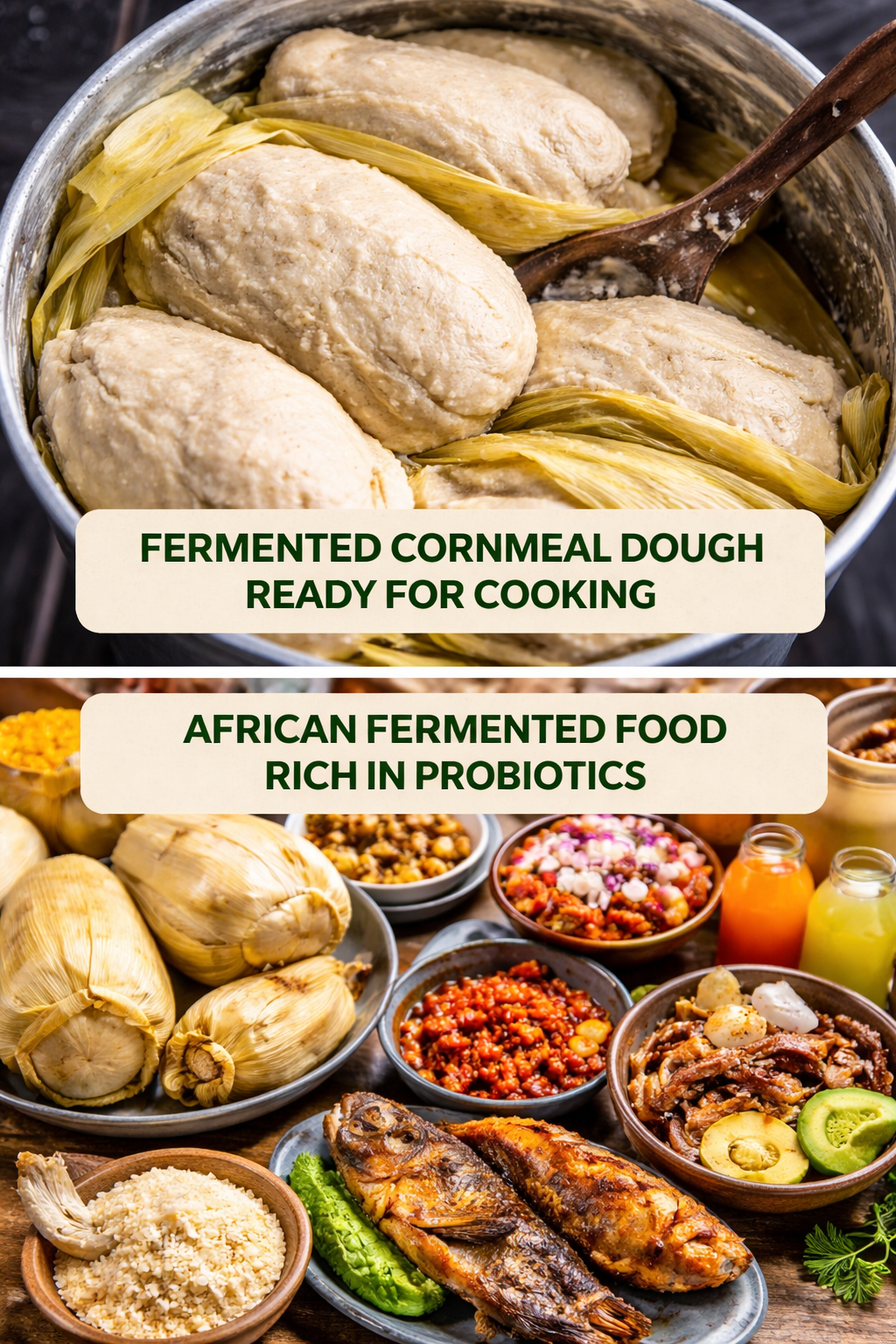
Health Benefits of Fermented African Foods Like Kenkey
Fermented African foods have been part of traditional diets for centuries, offering both rich flavor and powerful nutritional benefits. One standout example is kenkey, a staple in Ghanaian cuisine made from fermented maize dough. This traditional African food is not only satisfying but also packed with gut-friendly probiotics, essential nutrients, and digestive benefits.
If you are looking to improve your diet naturally, understanding the fermented african foods benefits can help you make smarter food choices rooted in culture and science.
Shop Authentic Kenkey
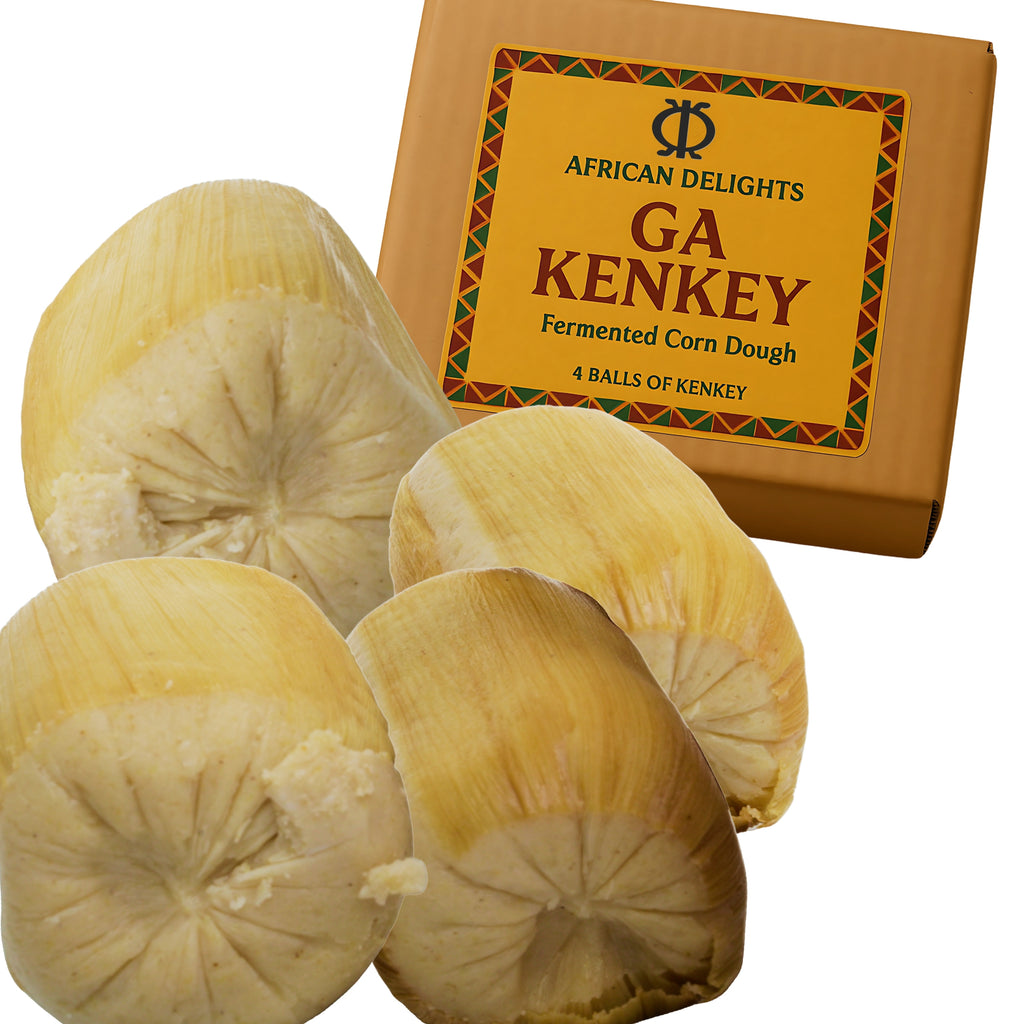 |
Wala Kenkey - Four Balls of Kenkey | Ga and FanteBuy Now |
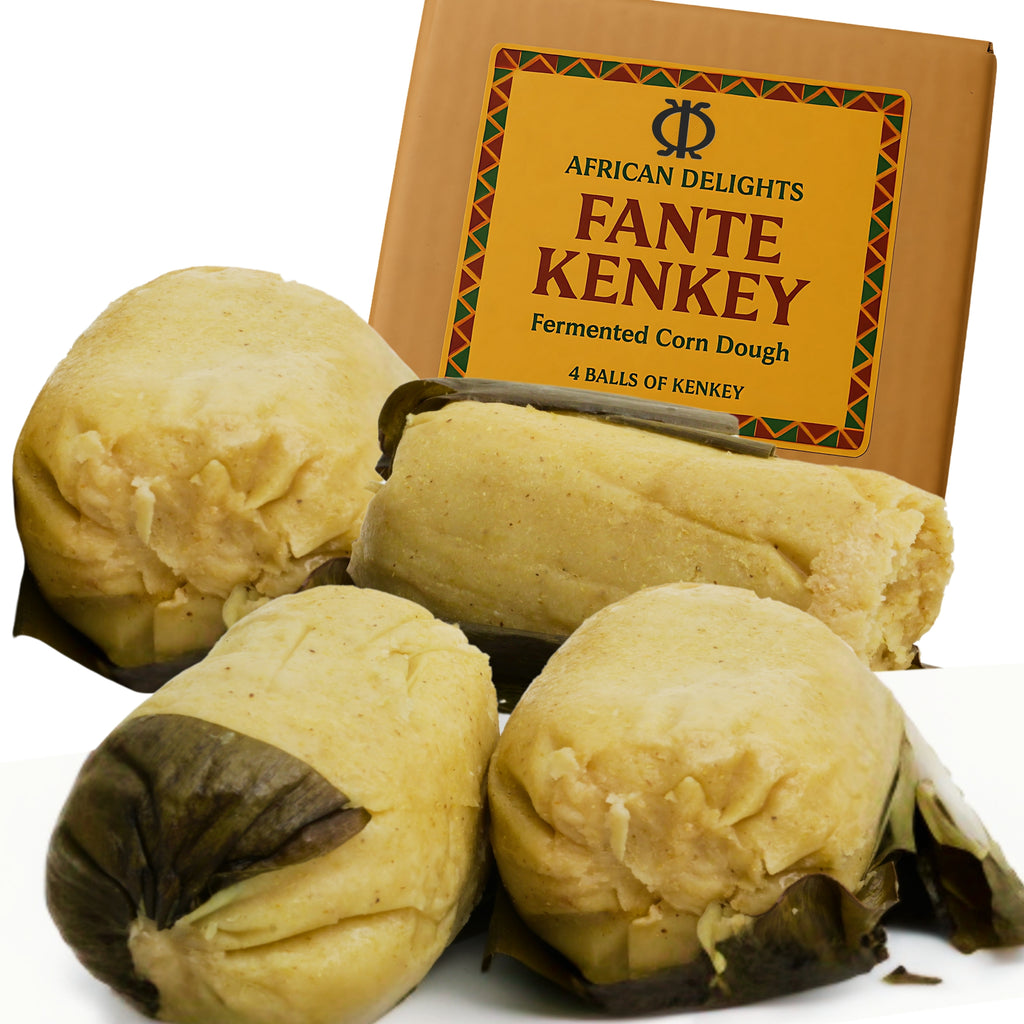 |
Fante Kenkey - Made in Ghana - Four Balls of KenkeyBuy Now |
What Are Fermented African Foods?
Fermented African foods are traditional staples made by allowing natural bacteria and yeast to break down carbohydrates. This process enhances flavor, preserves food, and boosts nutritional value. Common examples include fermented maize food like kenkey, ogi, and banku.
Top Health Benefits of Fermented African Foods

1. Supports Gut Health
Fermentation introduces beneficial bacteria that support a healthy gut microbiome. These probiotics improve digestion, reduce bloating, and enhance nutrient absorption.
2. Improves Nutrient Availability
Fermented cornmeal products like kenkey break down anti-nutrients such as phytic acid, making minerals like iron, zinc, and calcium easier for the body to absorb.
3. Boosts Immunity
A healthy gut directly supports the immune system. Regular consumption of probiotic foods in Africa like kenkey helps strengthen the body's natural defenses.
4. Enhances Digestibility
Fermentation pre-digests complex carbohydrates, making foods easier on the stomach and ideal for people with sensitive digestion.
5. Naturally Preserves Food
Fermentation extends shelf life without artificial preservatives, making it a sustainable and traditional method of food preservation.
Why Kenkey Stands Out in Ghanaian Cuisine
Kenkey is a beloved traditional African staple made from fermented maize dough wrapped in corn husks and steamed. It is commonly served with fish, pepper sauce, or stew, offering a balanced and nutritious meal.
Its fermentation process not only enhances flavor but also delivers significant health benefits, making it one of the most valuable fermented African foods.
How Fermented Maize Dough Is Prepared

The process begins with soaking maize, grinding it into dough, and allowing it to ferment over several days. Part of the dough is cooked and then mixed back with the raw portion before being wrapped and steamed. This unique method gives kenkey its distinct taste and texture.
Frequently Asked Questions
Is kenkey healthy?
Yes, kenkey is rich in probiotics, supports digestion, and provides essential nutrients, making it a healthy traditional food.
What are the benefits of fermented cornmeal?
Fermented cornmeal improves nutrient absorption, enhances gut health, and makes food easier to digest.
Are fermented African foods good for weight loss?
They can support weight management by improving digestion and promoting satiety through gut health balance.
How often should you eat fermented foods?
Including fermented foods a few times per week can support gut health and overall wellness.
What makes Ghanaian cuisine unique?
Ghanaian cuisine uses traditional fermentation methods and natural ingredients to create nutrient-rich, flavorful dishes.
Explore Authentic African Foods
Conclusion
Fermented African foods like kenkey offer a powerful combination of tradition, nutrition, and health benefits. From improving gut health to enhancing nutrient absorption, these foods are a smart addition to any modern diet. By incorporating fermented maize food into your meals, you embrace both cultural heritage and wellness.


