
Hard vs Soft Toothbrush: Which Removes Plaque Better?
Choosing the right toothbrush can make a significant difference in your oral hygiene routine. One of the most common questions is whether a hard bristle toothbrush for adults removes plaque better than a soft one. The answer depends on your needs, brushing technique, and dental health goals.
In this guide, we compare hard vs soft toothbrushes to help you find the best option for effective plaque removal and healthier teeth.
Best Hard Bristle Toothbrush for Plaque Removal
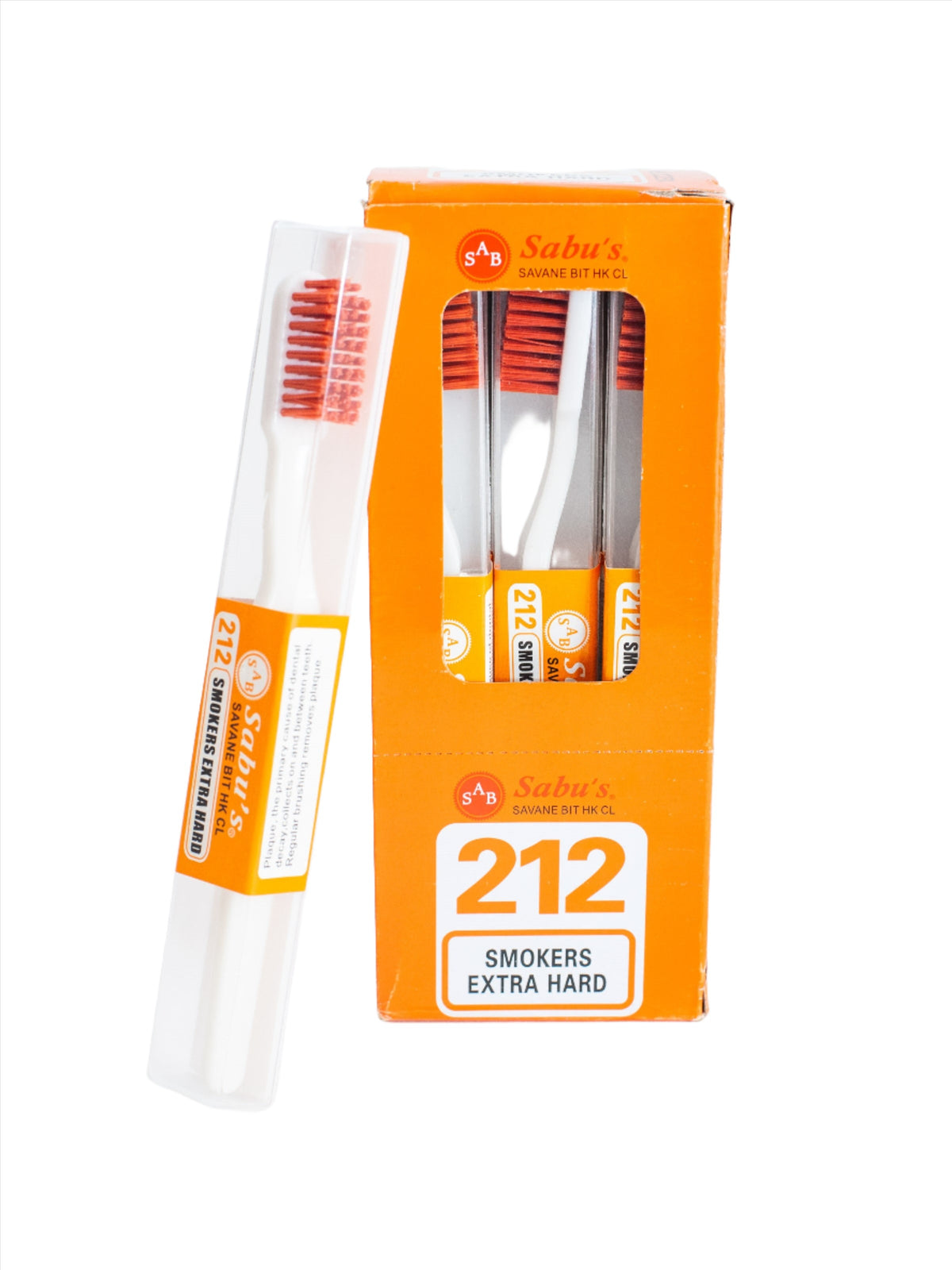 |
Smokers Toothbrush - Pack of 12Buy Now |
Understanding Toothbrush Bristle Types

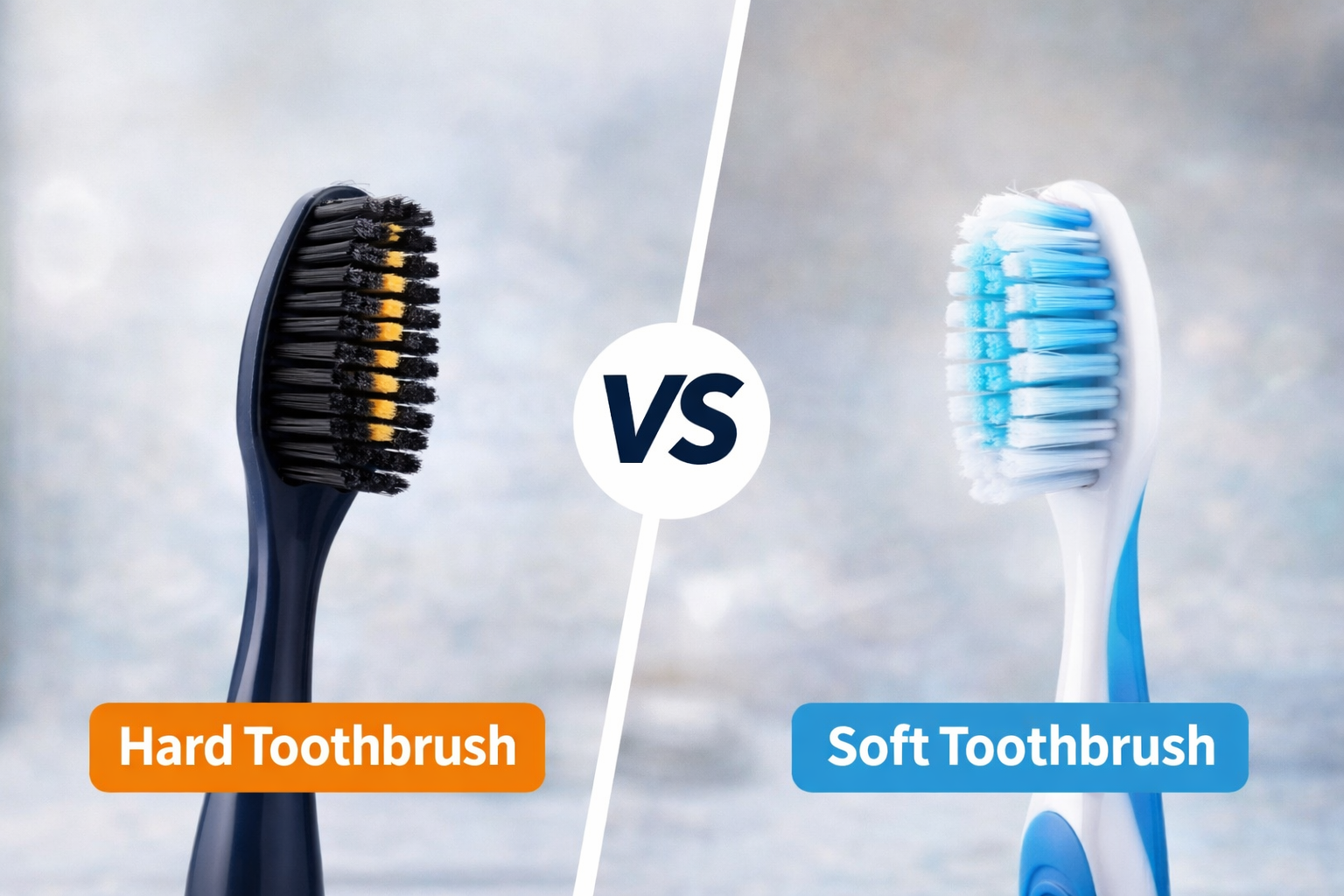
Soft Toothbrush
Soft toothbrushes are gentle on gums and enamel. They are recommended by most dentists because they effectively remove plaque without causing damage when used correctly.
Hard Toothbrush
A hard bristle toothbrush for plaque is designed for deep cleaning and can help remove stubborn plaque and stains, especially for smokers or individuals with heavy buildup.
Hard vs Soft Toothbrush: Key Differences
1. Plaque Removal Efficiency
Hard bristle toothbrushes can remove plaque more aggressively, making them suitable for people with heavy plaque or stains. However, proper technique is essential to avoid damage.
2. Gum Safety
Soft brushes are safer for gums and reduce the risk of irritation or recession.
3. Stain Removal
Extra hard toothbrush options are more effective for removing surface stains caused by smoking or coffee.
4. Everyday Use
Soft toothbrushes are ideal for daily use, while hard brushes are better for targeted deep cleaning.
Which Toothbrush Removes Plaque Better?
The best toothbrush for plaque control depends on how you use it. A dental hygiene toothbrush with proper brushing technique can remove plaque effectively regardless of bristle type. However:
- Hard bristle toothbrush for adults is better for heavy plaque and stains
- Soft toothbrush is better for sensitive gums and daily maintenance
When to Use a Hard Bristle Toothbrush
- Visible plaque buildup
- Nicotine or coffee stains
- Need for deep cleaning
When to Use a Soft Toothbrush
- Sensitive gums
- Daily oral care routine
- Preventing enamel wear
Best Practices for Plaque Removal
- Brush twice daily for two minutes
- Use proper brushing technique
- Floss regularly
- Replace your toothbrush every 3 months
Frequently Asked Questions

Is a hard bristle toothbrush better for plaque?
It can remove plaque more aggressively but must be used carefully to avoid gum damage.
Do dentists recommend hard or soft toothbrushes?
Most dentists recommend soft toothbrushes for daily use.
Can hard toothbrushes damage gums?
Yes, improper use can lead to gum irritation or recession.
What is the best toothbrush for smokers?
A hard bristle toothbrush designed for stain removal is ideal for smokers.
How often should I replace my toothbrush?
Every 3 months or sooner if bristles are worn.
Shop Plaque Removal Toothbrush
Conclusion
Both hard and soft toothbrushes have their benefits. If your goal is deep cleaning and stain removal, a hard bristle toothbrush for plaque can be highly effective. For everyday use and gum protection, soft brushes remain the safest choice. The key is using the right technique and maintaining a consistent oral care routine.


