
Thanksgiving is a meal that people modify every year — new side dishes, new spice combinations, updated versions of classics. West African ingredients fit naturally into that tradition because they're built around the same flavor foundations that make Thanksgiving food satisfying: savory depth, aromatic warmth, and richness from good oils and fats. Here's how to work them in without overhauling the whole menu.
Suya Spice on the Turkey
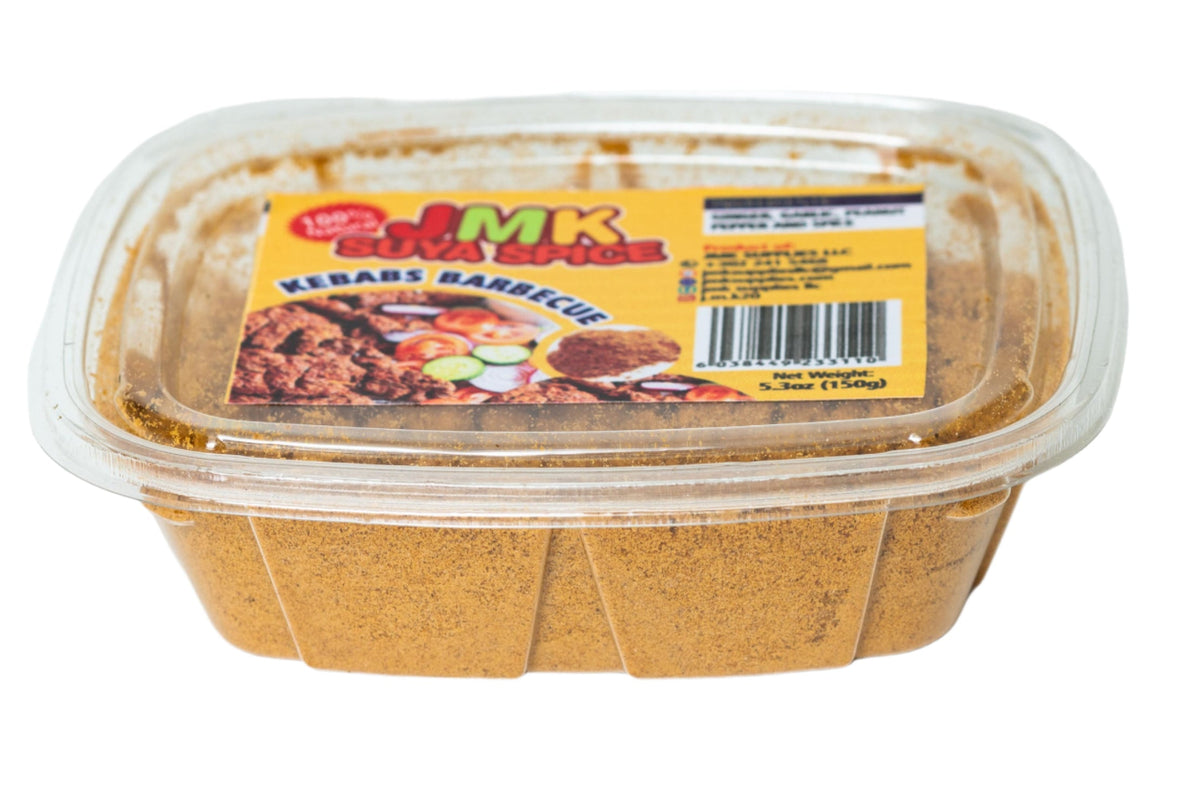
Suya spice is a dry rub from Northern Nigeria and Niger — built on ground ginger, paprika, garlic, groundnut powder, and other aromatics. It's what gives suya (grilled meat skewers sold on West African street corners) their distinctive deep, savory crust. Applied to turkey, it creates a spiced crust during roasting that reads as complex and interesting without any single ingredient being overwhelming.
The method is simple: mix our suya spice blend with a small amount of oil, rub it under and over the skin, and roast as you normally would. The result is a turkey with a reddish, lightly caramelized exterior and a flavor that most guests will find immediately delicious without necessarily being able to place exactly what the spice is. For a deeper look at what's in suya spice and other uses for it, see our suya spice guide.
Red Palm Oil in the Gravy
Turkey gravy is drippings, flour, stock, and fat — and the fat is where flavor lives. Red palm oil, which has a rich, earthy, slightly fruity flavor quite unlike butter or neutral oils, adds a layer of depth to gravy that's genuinely interesting. Use it as part of the fat component (mixed with butter rather than replacing it entirely) and the result is a gravy that tastes more complex than a standard version.
Our red palm oil is imported and unrefined — it has the characteristic orange color and full flavor of the real ingredient rather than the bleached, flavor-stripped version sold in some health food stores. A small amount goes a long way; start with a tablespoon per cup of gravy and adjust.
Jollof Rice as a Side Dish
Jollof rice — rice cooked in a tomato and pepper base with spices — is one of the most recognized West African dishes internationally and arguably the most shareable at a multi-cultural Thanksgiving table. It's a rice dish, which fits naturally as a Thanksgiving side, and its slightly smoky tomato flavor complements roasted turkey better than plain white rice does.
The base ingredients (tomatoes, onions, peppers, oil, rice) are standard, but the flavor depth comes from the seasoning. Our egye aware (Ghanaian mixed spice) and Doli seasoning cubes are the flavor builders that distinguish a properly seasoned Ghanaian jollof from a plain tomato rice. See our Doli seasoning guide for more on how these cubes work differently from European bouillon. For a related dish, waakye (rice cooked with black-eyed peas and sorghum leaves) also works well as a Thanksgiving side — see our waakye recipe guide.
Kelewele as a Starter or Side
Kelewele is spiced fried plantain — ripe plantain cut into chunks, tossed with ginger, chili, and sometimes cloves, then fried until caramelized on the outside and soft inside. It works as a Thanksgiving starter (set it out while the turkey rests) or as a side dish alongside the main course. The flavor is sweet and savory simultaneously — the natural sugar in ripe plantain caramelizes against the heat of the spices in a way that's unlike anything else on a standard Thanksgiving table.
You'll need ripe (yellow-black) plantains, which are available at most Latin or Caribbean grocery stores, and the spice profile is simple: ginger, chili, a pinch of salt. Our spices collection has everything you need if your pantry doesn't already have them.
West African Soups as a First Course
For a more ambitious approach, a small cup of palm nut soup (abenkwan) served as a first course before the main Thanksgiving meal introduces the flavor profile of West African cooking in a context where guests are already expecting a multi-course progression. Palm nut soup is rich, slightly orange-tinted, with a flavor that's hard to describe without tasting — earthy, savory, and distinctive.
Palm nut soup base is available in our groceries collection; the preparation involves blending and simmering the base with protein (chicken, fish, or beef) and the same spices used in jollof rice.
West African Drinks for the Thanksgiving Table
The drink question at Thanksgiving is usually solved with wine or sparkling cider. A West African option: sobolo (hibiscus flower drink) is naturally red, deeply colored, slightly tart, and non-alcoholic — it looks festive on a Thanksgiving table and works as an alternative for guests who don't drink alcohol. Malt drinks (Malta Guinness) are another option for a non-alcoholic festive drink with a distinctly West African association.
How Much to Change at Once
The easiest approach is to change one element — the turkey spice rub — and leave everything else as-is. That single change introduces a new flavor without disrupting the meal's familiar structure. If it goes well, add a West African side dish next year. The goal is a Thanksgiving table that's specifically yours, not a wholesale substitution of one food culture for another.
Retail and Wholesale Options
You can shop all products mentioned in this guide at African Delights — our main retail store with individual-unit pricing and shipping across the US. If you're stocking up for a restaurant, grocery store, or ecommerce operation, our wholesale storefront Ghana Trade House USA offers case-pack pricing on the same products. Visit our wholesale info page to see what's available in bulk.
Frequently Asked Questions
How do I use suya spice on Thanksgiving turkey?
Mix suya spice with a small amount of neutral oil or softened butter to form a paste, then rub it under and over the turkey skin before roasting. The spice creates a well-seasoned crust that cooks dark and aromatic without burning.
Is red palm oil the same as palm kernel oil?
No — red palm oil comes from the fruit of the oil palm and has a deep orange color and distinctive earthy flavor. Palm kernel oil comes from the seed and is lighter in color and flavor. For cooking West African food and for Thanksgiving applications, you want red palm oil.
What rice is best for jollof rice?
Long-grain parboiled rice is the standard choice for Ghanaian jollof — it holds its texture and doesn't get mushy when cooked in the tomato base. We stock appropriate rice varieties in our groceries collection.
Can I order everything I need for a West African Thanksgiving in one place?
Yes — suya spice, red palm oil, egye aware, Doli bouillon, and other ingredients are all available at African Delights. Order by mid-November to ensure delivery before Thanksgiving.


