
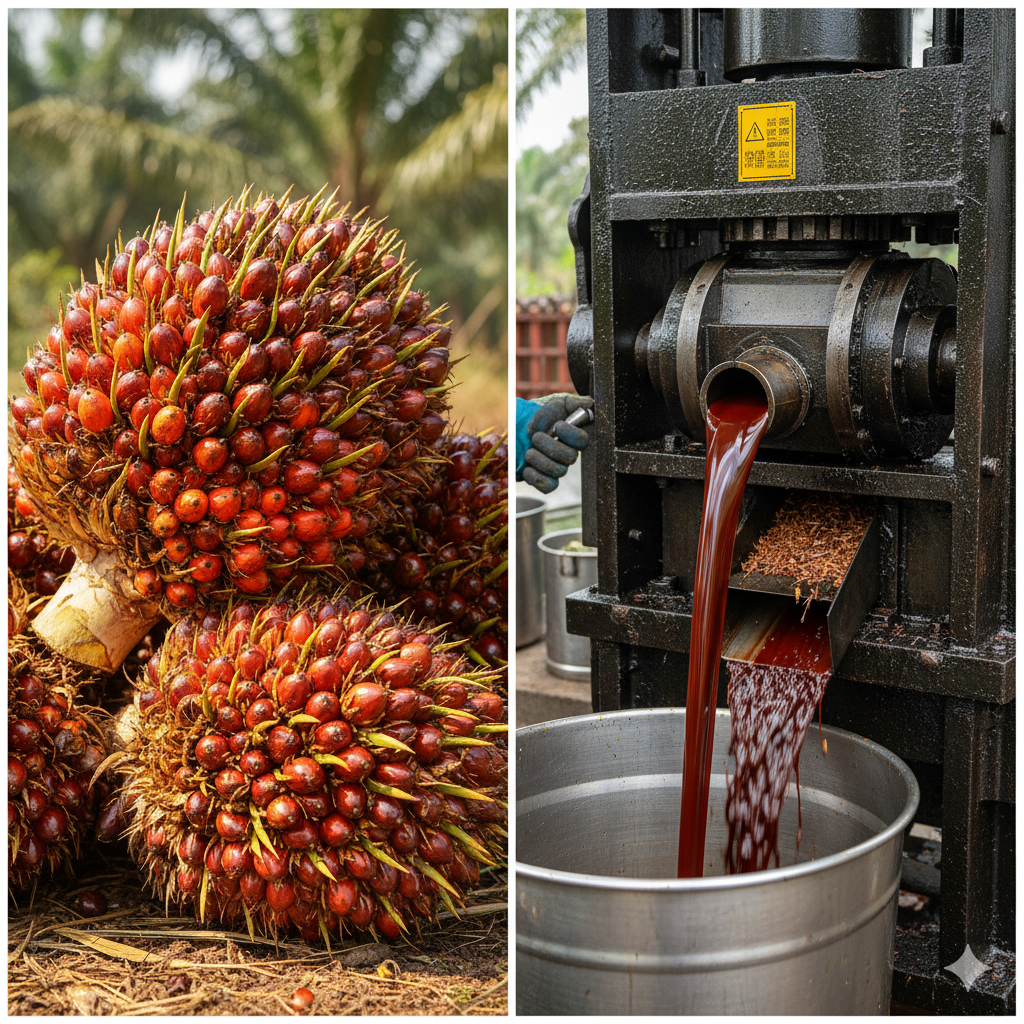
How Red Palm Oil Is Made: From Palm Fruits to Your Kitchen
Red palm oil is one of the most traditional and culturally important cooking oils in West Africa. Its rich color, bold aroma, and deep flavor all come from a unique processing method that has been used for generations. Whether made by hand in villages or produced through modern extraction methods, the journey from raw palm fruit to the red oil in your kitchen is fascinating. This guide walks you step by step through how real red palm oil is made.
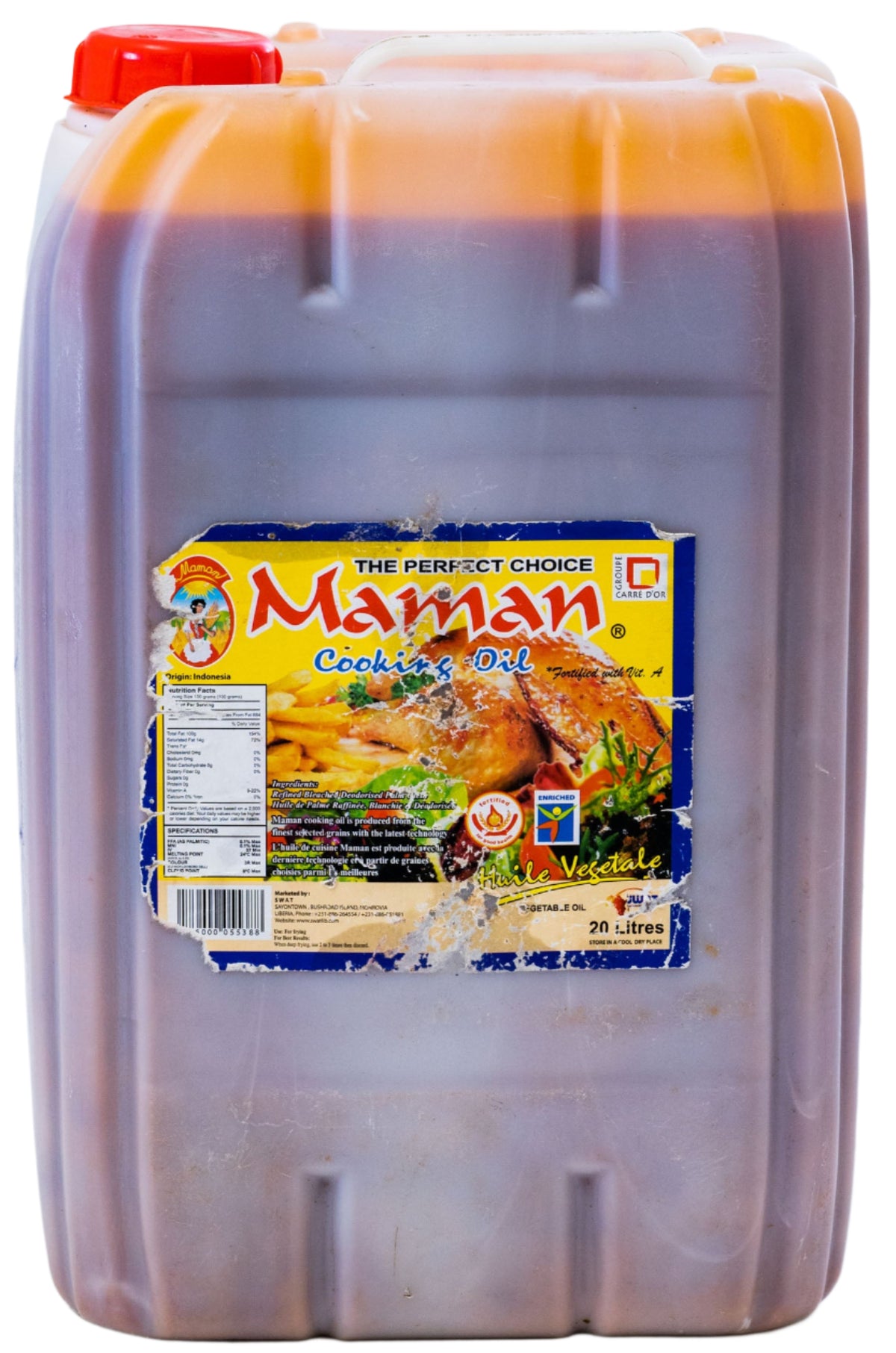 |
Maman Red Palm Oil 20 Liters Buy Now |
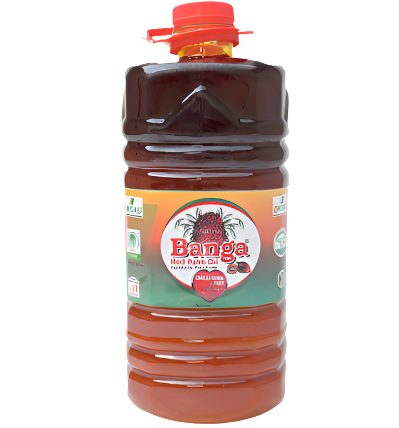 |
Banga Red Palm Oil 4L Buy Now |
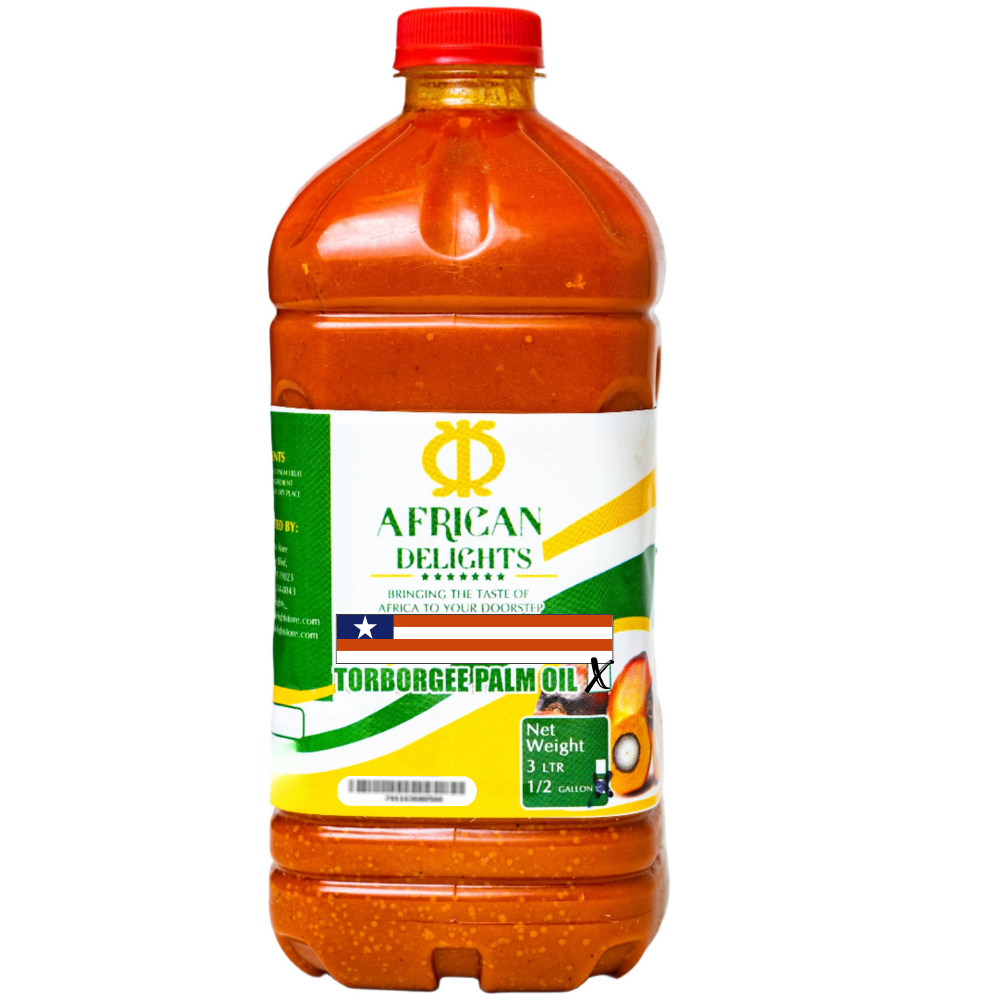 |
African Delights Torborgee Palm Oil Buy Now |
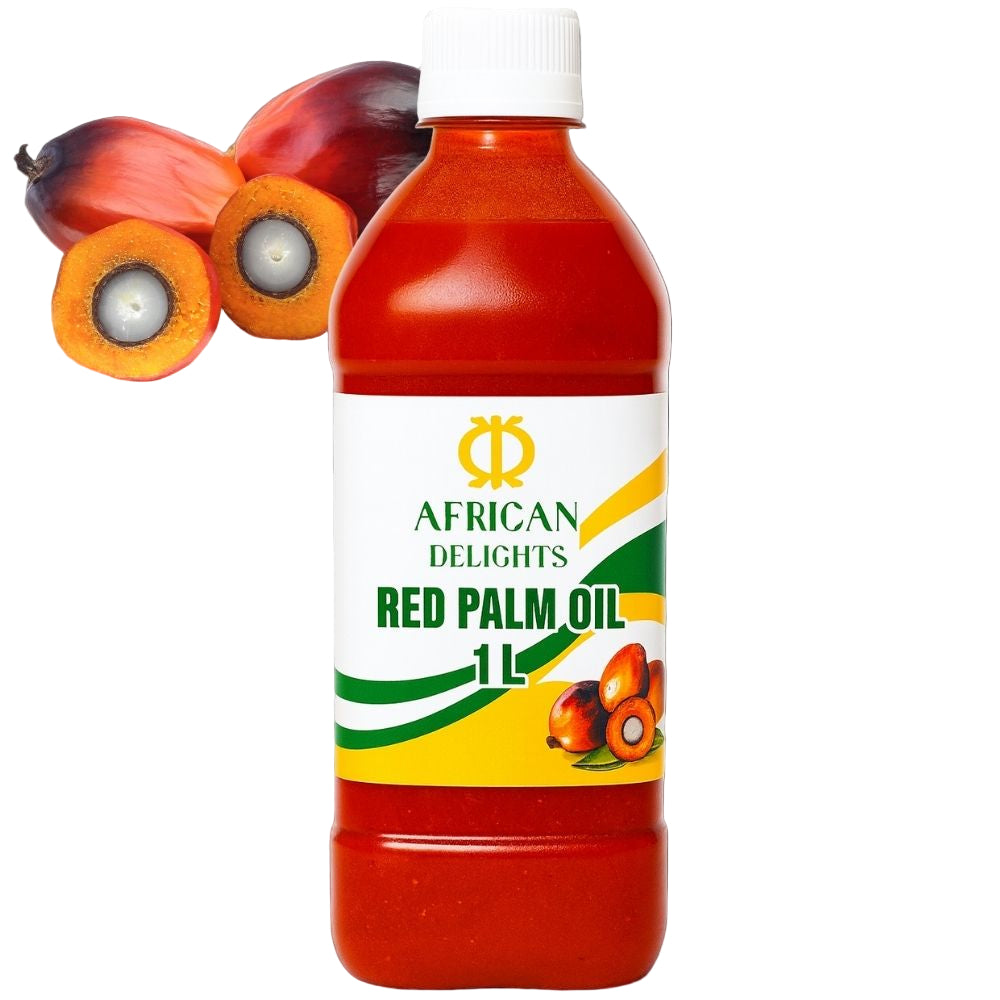 |
African Delights Red Palm Oil Buy Now |
Where Red Palm Oil Begins: The Palm Fruit
Red palm oil comes from the fruit of the oil palm tree. These fruits grow in large clusters and contain both the outer reddish pulp and the inner kernel. The deep red orange color of the oil comes naturally from the fruit’s pulp.
Related article: The Ultimate Guide to Red Palm Oil for African Cooking (Benefits, Uses & Culture)
Step by Step: How Red Palm Oil Is Made
1. Harvesting the Palm Fruit
Farmers cut down large bunches of ripe palm fruits using machetes or long harvesting poles. Freshness matters because fresher fruits create richer, more flavorful oil.
2. Boiling the Fruits
The fruits are boiled to soften the pulp and loosen the skin. This helps release the natural red oil during the extraction stage.
3. Pounding or Pressing the Fruits
Traditionally, the softened fruits are pounded by hand in large mortars. In modern production, mechanical presses are used to squeeze out the oil more efficiently.
4. Extracting the Red Oil
During pounding or pressing, the bright red oil is released from the pulp. It floats to the top when mixed with water and can be skimmed off.
5. Filtering and Settling
The extracted oil is filtered to remove fiber and residue. It is then allowed to settle so impurities sink and pure oil rises to the top.
6. Storing and Packaging
Once clean, the red oil is packaged into bottles or large containers. Unrefined palm oil keeps its natural aroma, color, and nutrients.
Traditional vs Modern Extraction
While traditional methods rely on hand pounding and manual skimming, modern extraction uses mechanical presses and settling tanks. Both produce natural red palm oil, but traditional methods often result in stronger aroma and deeper flavor.
Why the Process Matters
The way palm oil is made directly affects its color, taste, and purity. High quality red palm oil comes from fresh fruit, minimal processing, and clean extraction techniques.

Related article: Banga Soup Made Easy: The Best Red Palm Oil to Use
Frequently Asked Questions
Is red palm oil naturally red?
Yes. The deep color comes from the natural pigments in the palm fruit pulp.
Does traditional processing make better tasting oil?
Many people prefer the strong aroma of traditionally made red oil, but both methods can produce high quality oil.
Is unrefined red palm oil healthier?
Unrefined oil retains its natural color and aroma because it is minimally processed.
How long does red palm oil last after extraction?
When stored properly, it can last many months without losing flavor.
Why does the aroma vary between brands?
Different extraction methods and sourcing regions produce different aroma profiles.
Related article: Red Palm Oil for Skin & Hair: Benefits and DIY Beauty Uses
Conclusion
From fresh palm fruit to the red oil in your kitchen, the process of making palm oil is deeply rooted in African tradition. Understanding how red palm oil is made helps you appreciate its rich color, bold flavor, and natural origins. When you choose high quality unrefined oil, you bring true African authenticity into every meal.


2 comments
Oliver Williams
Crypto Scam Recovery with Alpha Recovery Experts
ALPHA RECOVERY EXPERTS is a seasoned expert in online financial recovery, specializing in assisting victims of cryptocurrency scams, Ponzi schemes, and fraudulent investment platforms. With years of experience and a team of dedicated professionals, ALPHA RECOVERY EXPERTS has successfully aided thousands in reclaiming their funds, making him a trusted figure in the realm of financial recovery.
Lost Crypto Recovery? Crypto Asset Recovery / How to recover lost or stolen crypto assets with ALPHA RECOVERY EXPERTS?
How to recover my losses from trading? Can you recover lost Bitcoins or Ethereum? Can I get my money back if I was scammed through Bitcoin?
What is the best recovery company to help me recover my stolen Bitcoins? What is the best crypto recovery service?
Contact: Website: https://alpharecoveryexperts.com
Email: (Alpharecoveryexpert@consultant.com)
WhatsApp: (+44 745, 742,4681)
Mike Reno
Gold Available For Sale, We Offer The Best For You +447401473736
Gold for Sale in USA, Kampala Uganda, Canada, Australia, Europe. No hidden payments and no payments upfront if you are a serious buyer. We do CIF to our serious buyers without delays or FOB to those more serious buyers who want to come to uganda for a pick up. We recommend our good buyers to fly to uganda and do the testing and visit our mining sites and do a due diligence for more trust and long term business
24 Karat, 98+ Purity Gold Wholesale supplier. Gold world is a leading global supplier and trader of an extensive range of 24 Karat Gold. Our sales team is committed to providing impeccable services to our clients, and they are always ready to answer your questions.
Smooth Delivery on Time Worldwide
Along with the best quality of our 24 Karat Gold, we take care of the packaging process as well. We always involve high-technique packaging system which provide barrier protection against moisture, dust, or any kind of mechanical damage during transportation. Not only this, we perform smooth delivery of our 24 Karat Gold within the given date and time. Our entire gold product is delivered in 3–7 days by courier worldwide
CONTACT:
Telegram: @Ranko3222
WhatsApp: +447401473736
Impeccable Feature of 24 Karat Gold
We Work Directly With The Gold buyers To Cut Out The Middle Man, So We Can Avoid Wasting Time. We Are The Leading Gold Sellers. Best Prices Guaranteed .Find Us In Uganda, Kampala. Trusted Gold Sellers — Buy Our Gold with Confidence. Easy Gold Selling Process. Easy Selling Process. Satisfaction Guaranteed. No Hidden Fees. Trusted Experts. Secure Transactions. Instant Quotes. Gold Bars, Gold Bullion And Nuggets. Gold dust, gold bars and gold nugget for sale· Gold nugget, Gold bar, Gold dust · gold bullion buyers and sell.
Luxembourg, Singapore, Ireland, Qatar, Switzerland, Norway, United States, United Arab Emirates, Brunei, Hong Kong, germany, Austria, Belgium, Czech Republic, Denmark
Estonia, Finland, France, Germany, Greece, Hungary, Iceland, Italy, Latvia, Lithuania, Luxembourg, Malta, Netherlands, Norway, Poland, Portugal, Slovakia, Slovenia, Spain, Sweden, Switzerland
We are everywhere in New York City, New York
Los Angeles, California, Chicago, Illinois, Houston, Texas, Phoenix, Arizona, Philadelphia, Pennsylvania, San Antonio, Texas, San Diego, California, Dallas, Texas, San Jose, California, Austin, Texas, Jacksonville, Florida, Fort Worth, Texas, Columbus, Ohio, San Francisco, California, Charlotte, North Carolina, Indianapolis, Indiana
Seattle, Washington, Denver, Colorado, Washington, D.C.
Sydney, New South Wales, Melbourne, Victoria, Brisbane, Queensland, Perth, Western Australia, Adelaide, South Australia, Gold Coast, Queensland, Canberra, Australian, Capital Territory, Newcastle, New South Wales, Central Coast, New South Wales, Hobart, Tasmania
SERIOUS INQUIRIES ONLY PLEASE