

Is Red Palm Oil Healthy? Myths, Facts & What Africans Should Know
Red palm oil has been used for centuries across Africa as a natural cooking oil rich in color, flavor, and nutrients. Yet in the USA, many people are confused about whether red palm oil is healthy or not. Misinformation, outdated studies, and general myths often make shoppers unsure. This guide breaks down the real facts about red palm oil, what makes it unique, and what African families should know when choosing it for everyday cooking.
 |
Maman Red Palm Oil 20 Liters Buy Now |
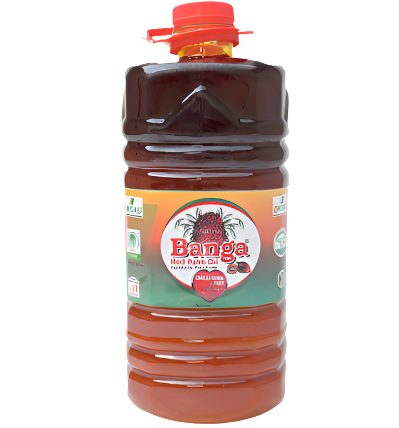 |
Banga Red Palm Oil 4L Buy Now |
 |
African Delights Torborgee Palm Oil Buy Now |
 |
African Delights Red Palm Oil Buy Now |
Is Red Palm Oil Actually Healthy?
Red palm oil contains natural antioxidants and nutrients found in the palm fruit. It is widely used in African cooking for its color, taste, and richness. Like most traditional oils, it can be part of a balanced diet when used in moderation.
Related article: The Ultimate Guide to Red Palm Oil for African Cooking (Benefits, Uses & Culture)
Myths vs Facts About Red Palm Oil
Myth 1: Red Palm Oil is the Same as Processed Palm Oil Found in Snacks
This is one of the biggest misconceptions. Fresh, unrefined red palm oil is completely different from highly processed palm oil used in packaged foods.
Myth 2: Red Palm Oil Has No Nutritional Value
Unrefined red palm oil naturally contains carotenoids and vitamin E compounds that come directly from the palm fruit.
Myth 3: Palm Oil Always Contains Additives
Pure palm oil has no added coloring. Its deep red color comes naturally from the fruit itself.
Real Facts About Red Palm Oil
1. It Contains Natural Antioxidants
Red palm oil gets its rich color from carotenoids found naturally in the palm fruit.
2. It Has Been Used in African Diets for Generations
African families rely on it for soups, stews, and daily cooking. It remains a familiar and traditional choice.
3. Unrefined Oils Keep Their Natural Aroma
When palm oil is not heavily processed, it maintains its signature earthy smell and vibrant color.
4. Moderation Matters
Like all oils, red palm oil should be used in reasonable amounts as part of a balanced diet.

How to Choose Healthy Red Palm Oil
1. Look for Deep Red or Orange Color
This indicates natural carotenoids and minimal processing.
2. Choose Unrefined, All Natural Oils
Pure oils maintain their natural aroma and appearance without artificial additives.
3. Check for Fresh Packaging
A sealed, clean container helps preserve quality and flavor.
Related article: Top 7 Mistakes People Make When Cooking with Red Palm Oil
Frequently Asked Questions
Is red palm oil bad for you?
Red palm oil is simply a traditional cooking oil. When used in moderation, it can be part of normal, everyday meals.
Is the color natural?
Yes. The deep red orange color comes from natural compounds in the palm fruit.
Does palm oil need to be unrefined?
Unrefined oils keep the richest color and aroma, making them ideal for African cooking.
Is palm oil the same as “processed palm oil” in packaged foods?
No. Fresh red palm oil is very different in taste, color, and how it’s made.
Why do Africans still prefer red palm oil?
It offers traditional flavor, vibrant color, and familiar aroma that other oils cannot replace.
Related article: Red Palm Oil for Skin & Hair: Benefits and DIY Beauty Uses
Conclusion
Red palm oil has long been trusted in African homes for its flavor, vibrant color, and natural richness. Understanding the myths and facts helps you choose high quality palm oil and enjoy it confidently as part of your everyday cooking.


81 comments
Nang T
FROM A BROKE RETIREMENT DREAM TO A SHOCKING $18,700,000 MILLION LOTTERY WIN:
I was going to be a retired bus driver who had no savings, the thought of it kept draining me daily, I have been playing lotto for the past years without luck. I went online for a research on life after retirement when I saw Random testimonies of people appreciating a spell caster called Lord Bubuza for giving them the right LOTTO winning numbers so I immediately contacted Lord Bubuza for help to win the LOTTO 6/49 JACKPOT via WhatsApp: +1 365 808 5313, he said I can only win with the right numbers which will be revealed to him by his gods after casting a spell. I did as he instructed and the spell was cast, he gave me the numbers and said I should go and play without fear. I bought the ticket and played. It was very shocking and surprising when I discovered that all the numbers Lord Bubuza gave me matched all six winning numbers in the April 6 draw. I became winner of $18,700,000 million with the help of Lord Bubuza numbers. I will continue to appreciate him, Join me thank him via email: Lordbubuzamiraclework@hotmail.com or WhatsApp: +1 365 808 5313. He can help you too
Ted Hollis
MY MIRACULOUS LOTTERY JOURNEY WITH LORD BUBUZA:
I had almost given up on my lottery dreams. I had played for years but the most I ever won was $20, $70, and $30. I often wondered if I would ever win the Jackpot. One night, while searching online, I came across testimonies from people who testified that Lord Bubuza had guided them in their lottery journey and he gave them the lottery winning numbers after casting a lottery spell. Their stories gave me hope, so I decided to contact him on WhatsApp: +1 (365) 808 5313. I explained how long I had been hoping for a major win. He gave me his guidance and instructions, which I followed carefully. I provided him with his requirement to cast the lottery spell and he gave me the lottery winning numbers, I bought the Powerball ticket for $2 dollars. When I checked my ticket, I was shocked by what I saw. I had won $574,000,000, I was overwhelmed with emotion. This experience is something I will never forget. Lord Bubuza is a God on Earth and his spell is Active. Contact him for help too via Email: Lordbubuzamiraclework@hotmail.com or WhatsApp: +1 (365) 808 5313 …!!!
Ted Hollis
MY MIRACULOUS LOTTERY JOURNEY WITH LORD BUBUZA:
I had almost given up on my lottery dreams. I had played for years but the most I ever won was $20, $70, and $30. I often wondered if I would ever win the Jackpot. One night, while searching online, I came across testimonies from people who testified that Lord Bubuza had guided them in their lottery journey and he gave them the lottery winning numbers after casting a lottery spell. Their stories gave me hope, so I decided to contact him on WhatsApp: +1 (365) 808 5313. I explained how long I had been hoping for a major win. He gave me his guidance and instructions, which I followed carefully. I provided him with his requirement to cast the lottery spell and he gave me the lottery winning numbers, I bought the Powerball ticket for $2 dollars. When I checked my ticket, I was shocked by what I saw. I had won $574,000,000, I was overwhelmed with emotion. This experience is something I will never forget. Lord Bubuza is a God on Earth and his spell is Active. Contact him for help too via Email: Lordbubuzamiraclework@hotmail.com or WhatsApp: +1 (365) 808 5313 ….!!
Manuel Franco
In March 2019, I was only 24 years old when my life changed in a way I never imagined. My Name is Manuel Franco, I became the winner of the incredible $768.4 million Powerball jackpot. Before that happened, I had received spiritual numbers from Chief Ade. At first I wasn’t sure what to think, but something inside me told me to trust the numbers. I followed the guidance, bought my ticket, and waited. When the winning numbers were announced, I checked my ticket again and again. I was completely shocked, I couldn’t believe that the numbers on my ticket matched the winning numbers, that moment changed everything for me. I went from being an ordinary 24-years old to becoming a multimillion dollar lottery winner overnight. I will never forget the role Chief Ade’s spiritual numbers played in my story. To this day, I still look back and ask myself how everything came together at exactly the right moment. Sometimes, life can surprise you in ways you never thought possible. Email chiefadespellhome@gmail.com Or WhatsApp +234 901 380 6328
Ted Hollis
I had almost given up on my lottery dreams. I had played for years but the most I ever won was $20, $70, and $30. I often wondered if I would ever win the Jackpot. One night, while searching online, I came across testimonies from people who testified that Lord Bubuza had guided them in their lottery journey and he gave them the lottery winning numbers after casting a lottery spell. Their stories gave me hope, so I decided to contact him on WhatsApp: +1 (365) 808 5313. I explained how long I had been hoping for a major win. He gave me his guidance and instructions, which I followed carefully. I provided him with his requirement to cast the lottery spell and he gave me the lottery winning numbers, I bought the Powerball ticket for $2 dollars. When I checked my ticket, I was shocked by what I saw. I had won $574,000,000, I was overwhelmed with emotion. This experience is something I will never forget. Lord Bubuza is a God on Earth and his spell is Active. Contact him for help too via Email: Lordbubuzamiraclework@hotmail.com or WhatsApp: +1 (365) 808 5313
Eileen Henderson
FROM HOTEL SHEETS TO A $639,000,000 MILLION LOTTERY WINNER, THE WEDNESDAY THAT CHANGED MY LIFE:
I worked as a hotel cleaner, struggling to survive and provide for my family. The pay was often not enough for our bills, and sometimes I felt like giving up, but my sister kept encouraging me. One Wednesday at about 2:30pm, a guest came to the hotel celebrating a huge Powerball win. He shared his testimony about how Lord Bubuza, a spell caster, had helped him win by revealing the lottery numbers he played after casting a lottery spell. His story gave me hope, so I contacted Lord Bubuza on WhatsApp: +1 (365) 808 5313 for help. I provided the requirements to cast the lottery spell and he gave me the Powerball winning numbers. I bought a $2 ticket and played. When I checked my ticket, I could hardly believe my eyes. I had won $639,000,000. After years of suffering, I broke down in tears. I am deeply grateful to Lord Bubuza. My story reminds me that even after years of hardship, life can change unexpectedly. Never give up hope, lord Bubuza is a God on Earth and can help you too. Contact him via
email: Lordbubuzamiraclework@hotmail.com
WhatsApp: +1 (365) 808 5313….
Eileen Henderson
FROM HOTEL SHEETS TO A $639,000,000 MILLION LOTTERY WINNER, THE WEDNESDAY THAT CHANGED MY LIFE:
I worked as a hotel cleaner, struggling to survive and provide for my family. The pay was often not enough for our bills, and sometimes I felt like giving up, but my sister kept encouraging me. One Wednesday at about 2:30pm, a guest came to the hotel celebrating a huge Powerball win. He shared his testimony about how Lord Bubuza, a spell caster, had helped him win by revealing the lottery numbers he played after casting a lottery spell. His story gave me hope, so I contacted Lord Bubuza on WhatsApp: +1 (365) 808 5313 for help. I provided the requirements to cast the lottery spell and he gave me the Powerball winning numbers. I bought a $2 ticket and played. When I checked my ticket, I could hardly believe my eyes. I had won $639,000,000. After years of suffering, I broke down in tears. I am deeply grateful to Lord Bubuza. My story reminds me that even after years of hardship, life can change unexpectedly. Never give up hope, lord Bubuza is a God on Earth and can help you too. Contact him via
email: Lordbubuzamiraclework@hotmail.com
WhatsApp: +1 (365) 808 5313….
Eileen Henderson
FROM HOTEL SHEETS TO A $639,000,000 MILLION LOTTERY WINNER, THE WEDNESDAY THAT CHANGED MY LIFE:
I worked as a hotel cleaner, struggling to survive and provide for my family. The pay was often not enough for our bills, and sometimes I felt like giving up, but my sister kept encouraging me. One Wednesday at about 2:30pm, a guest came to the hotel celebrating a huge Powerball win. He shared his testimony about how Lord Bubuza, a spell caster, had helped him win by revealing the lottery numbers he played after casting a lottery spell. His story gave me hope, so I contacted Lord Bubuza on WhatsApp: +1 (365) 808 5313 for help. I provided the requirements to cast the lottery spell and he gave me the Powerball winning numbers. I bought a $2 ticket and played. When I checked my ticket, I could hardly believe my eyes. I had won $639,000,000. After years of suffering, I broke down in tears. I am deeply grateful to Lord Bubuza. My story reminds me that even after years of hardship, life can change unexpectedly. Never give up hope, lord Bubuza is a God on Earth and can help you too. Contact him via
email: Lordbubuzamiraclework@hotmail.com
WhatsApp: +1 (365) 808 5313.
Manuel Franco
In March 2019, I was only 24 years old when my life changed in a way I never imagined. My Name is Manuel Franco, I became the winner of the incredible $768.4 million Powerball jackpot. Before that happened, I had received spiritual numbers from Chief Ade. At first I wasn’t sure what to think, but something inside me told me to trust the numbers. I followed the guidance, bought my ticket, and waited. When the winning numbers were announced, I checked my ticket again and again. I was completely shocked, I couldn’t believe that the numbers on my ticket matched the winning numbers, that moment changed everything for me. I went from being an ordinary 24-years old to becoming a multimillion dollar lottery winner overnight. I will never forget the role Chief Ade’s spiritual numbers played in my story. To this day, I still look back and ask myself how everything came together at exactly the right moment. Sometimes, life can surprise you in ways you never thought possible. Email chiefadespellhome@gmail.com Or WhatsApp +234 901 380 6328
Manuel Franco
In March 2019, I was only 24 years old when my life changed in a way I never imagined. My Name is Manuel Franco, I became the winner of the incredible $768.4 million Powerball jackpot. Before that happened, I had received spiritual numbers from Chief Ade. At first I wasn’t sure what to think, but something inside me told me to trust the numbers. I followed the guidance, bought my ticket, and waited. When the winning numbers were announced, I checked my ticket again and again. I was completely shocked, I couldn’t believe that the numbers on my ticket matched the winning numbers, that moment changed everything for me. I went from being an ordinary 24-years old to becoming a multimillion dollar lottery winner overnight. I will never forget the role Chief Ade’s spiritual numbers played in my story. To this day, I still look back and ask myself how everything came together at exactly the right moment. Sometimes, life can surprise you in ways you never thought possible. Email chiefadespellhome@gmail.com Or WhatsApp +234 901 380 6328
Kate Hegseth
My testimony on how I became a member of the Illuminati. Lord Felix helped me get my life back from the death stage. Discharged after about 2 years and six months. After being betrayed by so many members of the Illuminati. Over the years I was hopeless and financially on the ground. But one day while browsing the internet, I came across the post by the Great Member of the Illuminati Lord Felix and said that if you were one of the great Illuminati members, you can be famous, rich and successful in life. I contacted him and I explained everything to him and he recommended the registration used and I paid for the big member to get me started and I was initiated into the World Order of the Illuminati. After that, they gave me all the guidelines and let me know that after initiation new members will be rewarded with the sum of $2,000,000 in cash. With the help of Lord Felix. I was fully initiated as a full member of the Illuminati. My advice is that if you’ve tried a scammer before. It’s up to trying Lord Morgan. It’s your best chance to become what you want in your future life. Contact him by WhatsApp +2348168034022
Kate Hegseth
My testimony on how I became a member of the Illuminati. Lord Felix helped me get my life back from the death stage. Discharged after about 2 years and six months. After being betrayed by so many members of the Illuminati. Over the years I was hopeless and financially on the ground. But one day while browsing the internet, I came across the post by the Great Member of the Illuminati Lord Felix and said that if you were one of the great Illuminati members, you can be famous, rich and successful in life. I contacted him and I explained everything to him and he recommended the registration used and I paid for the big member to get me started and I was initiated into the World Order of the Illuminati. After that, they gave me all the guidelines and let me know that after initiation new members will be rewarded with the sum of $2,000,000 in cash. With the help of Lord Felix. I was fully initiated as a full member of the Illuminati. My advice is that if you’ve tried a scammer before. It’s up to trying Lord Morgan. It’s your best chance to become what you want in your future life. Contact him by WhatsApp +2348168034022
Eileen Henderson
FROM HOTEL SHEETS TO A $639,000,000 MILLION LOTTERY WINNER, THE WEDNESDAY THAT CHANGED MY LIFE:
I worked as a hotel cleaner, struggling to survive and provide for my family. The pay was often not enough for our bills, and sometimes I felt like giving up, but my sister kept encouraging me. One Wednesday at about 2:30pm, a guest came to the hotel celebrating a huge Powerball win. He shared his testimony about how Lord Bubuza, a spell caster, had helped him win by revealing the lottery numbers he played after casting a lottery spell. His story gave me hope, so I contacted Lord Bubuza on WhatsApp: +1 (365) 808 5313 for help. I provided the requirements to cast the lottery spell and he gave me the Powerball winning numbers. I bought a $2 ticket and played. When I checked my ticket, I could hardly believe my eyes. I had won $639,000,000. After years of suffering, I broke down in tears. I am deeply grateful to Lord Bubuza. My story reminds me that even after years of hardship, life can change unexpectedly. Never give up hope, lord Bubuza is a God on Earth and can help you too. Contact him via
email: Lordbubuzamiraclework@hotmail.com
WhatsApp: +1 (365) 808 5313…!!
Eileen Henderson
FROM HOTEL SHEETS TO A $639,000,000 MILLION LOTTERY WINNER, THE WEDNESDAY THAT CHANGED MY LIFE:
I worked as a hotel cleaner, struggling to survive and provide for my family. The pay was often not enough for our bills, and sometimes I felt like giving up, but my sister kept encouraging me. One Wednesday at about 2:30pm, a guest came to the hotel celebrating a huge Powerball win. He shared his testimony about how Lord Bubuza, a spell caster, had helped him win by revealing the lottery numbers he played after casting a lottery spell. His story gave me hope, so I contacted Lord Bubuza on WhatsApp: +1 (365) 808 5313 for help. I provided the requirements to cast the lottery spell and he gave me the Powerball winning numbers. I bought a $2 ticket and played. When I checked my ticket, I could hardly believe my eyes. I had won $639,000,000. After years of suffering, I broke down in tears. I am deeply grateful to Lord Bubuza. My story reminds me that even after years of hardship, life can change unexpectedly. Never give up hope, lord Bubuza is a God on Earth and can help you too. Contact him via
email: Lordbubuzamiraclework@hotmail.com
WhatsApp: +1 (365) 808 5313…
Eileen Henderson
FROM HOTEL SHEETS TO A $639,000,000 MILLION LOTTERY WINNER, THE WEDNESDAY THAT CHANGED MY LIFE:
I worked as a hotel cleaner, struggling to survive and provide for my family. The pay was often not enough for our bills, and sometimes I felt like giving up, but my sister kept encouraging me. One Wednesday at about 2:30pm, a guest came to the hotel celebrating a huge Powerball win. He shared his testimony about how Lord Bubuza, a spell caster, had helped him win by revealing the lottery numbers he played after casting a lottery spell. His story gave me hope, so I contacted Lord Bubuza on WhatsApp: +1 (365) 808 5313 for help. I provided the requirements to cast the lottery spell and he gave me the Powerball winning numbers. I bought a $2 ticket and played. When I checked my ticket, I could hardly believe my eyes. I had won $639,000,000. After years of suffering, I broke down in tears. I am deeply grateful to Lord Bubuza. My story reminds me that even after years of hardship, life can change unexpectedly. Never give up hope, lord Bubuza is a God on Earth and can help you too. Contact him via
email: Lordbubuzamiraclework@hotmail.com
WhatsApp: +1 (365) 808 5313.
Eileen Henderson
I worked as a hotel cleaner, struggling to survive and provide for my family. The pay was often not enough for our bills, and sometimes I felt like giving up, but my sister kept encouraging me. One Wednesday at about 2:30pm, a guest came to the hotel celebrating a huge Powerball win. He shared his testimony about how Lord Bubuza, a spell caster, had helped him win by revealing the lottery numbers he played after casting a lottery spell. His story gave me hope, so I contacted Lord Bubuza on WhatsApp: +1 (365) 808 5313 for help. I provided the requirements to cast the lottery spell and he gave me the Powerball winning numbers. I bought a $2 ticket and played. When I checked my ticket, I could hardly believe my eyes. I had won $639,000,000. After years of suffering, I broke down in tears. I am deeply grateful to Lord Bubuza. My story reminds me that even after years of hardship, life can change unexpectedly. Never give up hope, lord Bubuza is a God on Earth and can help you too. Contact him via
email: Lordbubuzamiraclework@hotmail.com
WhatsApp: +1 (365) 808 5313.
Eileen Henderson
I worked as a hotel cleaner, struggling to survive and provide for my family. The pay was often not enough for our bills, and sometimes I felt like giving up, but my sister kept encouraging me. One Wednesday at about 2:30pm, a guest came to the hotel celebrating a huge Powerball win. He shared his testimony about how Lord Bubuza, a spell caster, had helped him win by revealing the lottery numbers he played after casting a lottery spell. His story gave me hope, so I contacted Lord Bubuza on WhatsApp: +1 (365) 808 5313 for help. I provided the requirements to cast the lottery spell and he gave me the Powerball winning numbers. I bought a $2 ticket and played. When I checked my ticket, I could hardly believe my eyes. I had won $639,000,000. After years of suffering, I broke down in tears. I am deeply grateful to Lord Bubuza. My story reminds me that even after years of hardship, life can change unexpectedly. Never give up hope, lord Bubuza is a God on Earth and can help you too. Contact him via
email: Lordbubuzamiraclework@hotmail.com
WhatsApp: +1 (365) 808 5313.
Eileen Henderson
I worked as a hotel cleaner, struggling to survive and provide for my family. The pay was often not enough for our bills, and sometimes I felt like giving up, but my sister kept encouraging me. One Wednesday at about 2:30pm, a guest came to the hotel celebrating a huge Powerball win. He shared his testimony about how Lord Bubuza, a spell caster, had helped him win by revealing the lottery numbers he played after casting a lottery spell. His story gave me hope, so I contacted Lord Bubuza on WhatsApp: +1 (365) 808 5313 for help. I provided the requirements to cast the lottery spell and he gave me the Powerball winning numbers. I bought a $2 ticket and played. When I checked my ticket, I could hardly believe my eyes. I had won $639,000,000. After years of suffering, I broke down in tears. I am deeply grateful to Lord Bubuza. My story reminds me that even after years of hardship, life can change unexpectedly. Never give up hope, lord Bubuza is a God on Earth and can help you too. Contact him via
email: Lordbubuzamiraclework@hotmail.com
WhatsApp: +1 (365) 808 5313. …
Eileen Henderson
I worked as a hotel cleaner, struggling to survive and provide for my family. The pay was often not enough for our bills, and sometimes I felt like giving up, but my sister kept encouraging me. One Wednesday at about 2:30pm, a guest came to the hotel celebrating a huge Powerball win. He shared his testimony about how Lord Bubuza, a spell caster, had helped him win by revealing the lottery numbers he played after casting a lottery spell. His story gave me hope, so I contacted Lord Bubuza on WhatsApp: +1 (365) 808 5313 for help. I provided the requirements to cast the lottery spell and he gave me the Powerball winning numbers. I bought a $2 ticket and played. When I checked my ticket, I could hardly believe my eyes. I had won $639,000,000. After years of suffering, I broke down in tears. I am deeply grateful to Lord Bubuza. My story reminds me that even after years of hardship, life can change unexpectedly. Never give up hope, lord Bubuza is a God on Earth and can help you too. Contact him via
email: Lordbubuzamiraclework@hotmail.com
WhatsApp: +1 (365) 808 5313…
Eileen Henderson
I worked as a hotel cleaner, struggling to survive and provide for my family. The pay was often not enough for our bills, and sometimes I felt like giving up, but my sister kept encouraging me. One Wednesday at about 2:30pm, a guest came to the hotel celebrating a huge Powerball win. He shared his testimony about how Lord Bubuza, a spell caster, had helped him win by revealing the lottery numbers he played after casting a lottery spell. His story gave me hope, so I contacted Lord Bubuza on WhatsApp: +1 (365) 808 5313 for help. I provided the requirements to cast the lottery spell and he gave me the Powerball winning numbers. I bought a $2 ticket and played. When I checked my ticket, I could hardly believe my eyes. I had won $639,000,000. After years of suffering, I broke down in tears. I am deeply grateful to Lord Bubuza. My story reminds me that even after years of hardship, life can change unexpectedly. Never give up hope, lord Bubuza is a God on Earth and can help you too. Contact him via
email: Lordbubuzamiraclework@hotmail.com
WhatsApp: +1 (365) 808 5313…
Eileen Henderson
I worked as a hotel cleaner, struggling to survive and provide for my family. The pay was often not enough for our bills, and sometimes I felt like giving up, but my sister kept encouraging me. One Wednesday at about 2:30pm, a guest came to the hotel celebrating a huge Powerball win. He shared his testimony about how Lord Bubuza, a spell caster, had helped him win by revealing the lottery numbers he played after casting a lottery spell. His story gave me hope, so I contacted Lord Bubuza on WhatsApp: +1 (365) 808 5313 for help. I provided the requirements to cast the lottery spell and he gave me the Powerball winning numbers. I bought a $2 ticket and played. When I checked my ticket, I could hardly believe my eyes. I had won $639,000,000. After years of suffering, I broke down in tears. I am deeply grateful to Lord Bubuza. My story reminds me that even after years of hardship, life can change unexpectedly. Never give up hope, lord Bubuza is a God on Earth and can help you too. Contact him via
email: Lordbubuzamiraclework@hotmail.com
WhatsApp: +1 (365) 808 5313. …
Eileen Henderson
I worked as a hotel cleaner, struggling to survive and provide for my family. The pay was often not enough for our bills, and sometimes I felt like giving up, but my sister kept encouraging me. One Wednesday at about 2:30pm, a guest came to the hotel celebrating a huge Powerball win. He shared his testimony about how Lord Bubuza, a spell caster, had helped him win by revealing the lottery numbers he played after casting a lottery spell. His story gave me hope, so I contacted Lord Bubuza on WhatsApp: +1 (365) 808 5313 for help. I provided the requirements to cast the lottery spell and he gave me the Powerball winning numbers. I bought a $2 ticket and played. When I checked my ticket, I could hardly believe my eyes. I had won $639,000,000. After years of suffering, I broke down in tears. I am deeply grateful to Lord Bubuza. My story reminds me that even after years of hardship, life can change unexpectedly. Never give up hope, lord Bubuza is a God on Earth and can help you too. Contact him via
email: Lordbubuzamiraclework@hotmail.com
WhatsApp: +1 (365) 808 5313…
Kate Hegseth
My testimony on how I became a member of the Illuminati. Lord Felix helped me get my life back from the death stage. Discharged after about 2 years and six months. After being betrayed by so many members of the Illuminati. Over the years I was hopeless and financially on the ground. But one day while browsing the internet, I came across the post by the Great Member of the Illuminati Lord Felix and said that if you were one of the great Illuminati members, you can be famous, rich and successful in life. I contacted him and I explained everything to him and he recommended the registration used and I paid for the big member to get me started and I was initiated into the World Order of the Illuminati. After that, they gave me all the guidelines and let me know that after initiation new members will be rewarded with the sum of $2,000,000 in cash. With the help of Lord Felix. I was fully initiated as a full member of the Illuminati. My advice is that if you’ve tried a scammer before. It’s up to trying Lord Morgan. It’s your best chance to become what you want in your future life. Contact him by WhatsApp +2348168034022
Eric
I want to thank a very kind and powerful psychic who brought back my ex wife who left me she told me she wants to be alone and left me and the kids I was devastated everyday i keep thinking how i would live without her one day i was online when I found Priest Ade website then i contacted him, He told me not to worry she will be back in 24hours after he cast his love spell i had some doubt though but i just did all he instructed and had a little faith, To my greatest surprise the next day she was back to me and the family she told me she was sad because she couldn’t get pregnant since we have been trying but Priest Ade also solved that now she is 3 weeks pregnant I’m so excited i highly recommend him he is powerful and can help you too with different problems email him now at ancientspiritspellcast@gmail.com And his website
ancientspellcast.wordpress.com
WhatsApp +2347045400361
Darlene M
My name is Darlene M, and I never imagined my life could change so fast. I was struggling with some unpaid bills and financial stress for years, and I was constantly wondering how people are able to win the lottery so big because I sometimes play the lottery but never won any big amount, I sought spiritual guidance from Chief Ade after I heard about him, how he has been helping people with the lottery winning numbers, and not long afterwards I won the $16,000,000 MILLION Lotto 6/49 Gold Ball jackpot with the numbers he gave me. That incredible win completely transformed my life. I was able to pay off all my debts, purchase a brand-new truck, and make sure my children had everything they needed to pursue their dreams. I also chose to share my good fortune by supporting local charities and helping families in need, because I know what it’s like to struggle. I’m sharing this to remind whosoever seeing this that hope can inspire people to keep believing, even during difficult times . Email: chiefadespellhome@gmail.com || Whats App +234 901 380 6328
Darlene M
My name is Darlene M, and I never imagined my life could change so fast. I was struggling with some unpaid bills and financial stress for years, and I was constantly wondering how people are able to win the lottery so big because I sometimes play the lottery but never won any big amount, I sought spiritual guidance from Chief Ade after I heard about him, how he has been helping people with the lottery winning numbers, and not long afterwards I won the $16,000,000 MILLION Lotto 6/49 Gold Ball jackpot with the numbers he gave me. That incredible win completely transformed my life. I was able to pay off all my debts, purchase a brand-new truck, and make sure my children had everything they needed to pursue their dreams. I also chose to share my good fortune by supporting local charities and helping families in need, because I know what it’s like to struggle. I’m sharing this to remind whosoever seeing this that hope can inspire people to keep believing, even during difficult times . Email: chiefadespellhome@gmail.com || Whats App +234 901 380 6328
Sally
Hello my name is Sally my fiancé broke up with me last week i was so sad I changed completely, I wasn’t eating and i wasn’t talking to anybody, I cried a lot, I was so depressed and stressed out that I was scared I’m going to end up in the hospital because of all the stress and depression until one day i search online on getting love tips because I Love & care about him deeply and I just want us to be together as a couple again and I want us to last forever then i found a powerful spell caster Called Priest Ade that he solved so many relationship problem then Priest Ade told me he will come back to me between 24hrs after he cast spell on him never believe it until my fiancé called me on the phone and told me he want us to come back and live happily together forever , Am so happy now that Priest Ade help me bring my finance back to me. Thanks so much Priest Ade he can also help you Email him at ancientspiritspellcast@gmail.com
Website ancientspellcast.wordpress.com WhatsApp: +2347045400361
kimbrly
HI all my viewers my name is Kimberly I want to quickly use this mindum to thanks Dr Alfred who helped me to win the mega millions lottery, I have been playing this lottery for the past 5 year now I have not been able to win reasonable amount .until i meet dr Alfred which so many people have been talking about online how h help them, then i also quickly grab the contact too. good work on how anyone to wining lottery. then I also gave a try then he gave me the wining number then I play it I was among the lucky wieners .i won sum of 32 million dollars .thank you so much Dr Alfred I will forever reaming loyal to you, Contact for your own help of wining. WhatsApp WhatsApp +21624 178 347 email dr.alfred118@gmail.come
He can also cure other following sickness like
1 herpes virus
2 Als disease
3 Lyme disease
4 HPV viruses.
5 Parkinson
6 love spell
7 enlargement
8 MONEY SPELL
9 EPILEPSY
10 DIABETES
11 HEPATITIS
Kate Hegseth
Here is my testimony on how I became a member of the Illuminati. Lord Felix helped me reclaim my life after I had been on the brink of death. I was discharged after about two and a half years, having been betrayed by so many Illuminati members. For years, I was desperate and financially ruined. But one day, while browsing the internet, I came across a post by the prominent Illuminati member Lord Felix, stating that by joining the Illuminati, one could become famous, wealthy, and successful in life. I contacted him, explained my situation, and followed the registration process he recommended. I paid the member for my initiation and was inducted into the Illuminati World Order. Afterward, I received all the guidelines and was informed that, following initiation, new members would be rewarded with a cash sum of $2,000,000. With Lord Felix’s help, I was fully initiated as a member of the Illuminati. My advice is this: if you have been misled by scammers in the past, give Lord Felix a try. It is your best opportunity to become the person you want to be in the future. Contact him via WhatsApp at +2348168034022.
Isla Oscar
First of all thanks to Dr.Ogedegbe for bringing back my lover to me within 1 week of contacting him . I have nothing to say other than to Thank you and to let you know that I am happy.. My Lover treats me better and he spends most of her time with me now telling me how much he loves me more than ever before.. If you have any problems with your lover contact Dr.Ogedegbe for help Email: dr.ogedegbe6@gmail.com or Whatsapp/call: +2349121737553 because he is the solution to every relationship problems
Debra
Hello everyone i want to use this medium to appreciate the greatest spell caster Priest Ade for restoring my broken marriage, My husband and i have been having problems for months now we use to be very sweet but all of a sudden everything changed he was now distant from me until one day he told me he wanted a divorce which left me devastated i cried my eyes out so i told my friend about all that has been going on, She introduced me to Priest Ade he told me not to worry he told me all i needed to do and he assured me that in 24 hours all that is wrong with our relationship will be fine the next day to my greatest surprise it was my husband back home apologizing I’m so happy we are closer and stronger than we have ever been, I promised to share your amazing work when i get results so this is me keeping my word, Thank you so much Priest Ade,I will leave his contact information for anyone who needs help: ancientspiritspellcast@gmail.com
Read more on his website:
https://ancientspellcast.wordpress.com
WhatsApp: +2347045400361
Harry Close
Are you ready to join the illuminati for wealth, fame, power, protection, wisdom and all your desires? Apply for Illuminati Membership Today and Enjoy the Benefits. Join us today and start getting $800,000 ($800,000) as your first membership benefit. Plus more awaits you. If you are interested or want to know more about the organization please answer YES Note!!! Distance is not a barrier to join the Illuminati and there is no human blood sacrifice. WhatsApp number +67581694374🔺🔺
Keisha Green
No billionaire has ever earned a real salary for him or herself, think about it, this is your chance to become what you want to be in life by joining the great Illuminati society and acquiring the power of wealth and fame. Sign up today, WhatsApp number: +1(409) 739-4584 or E-mail: alumbradosbrotherhood98@gmail.com Note distance is not a Barrier.
Harry Close
WELCOME TO THE GREAT ILLUMINATI.🔺 Greetings to you. Are you ready to join the illuminati for wealth, fame, power, protection, wisdom and all your desires? Apply for Illuminati Membership Today and Enjoy the Benefits. Join us today and start getting $800,000 ($800,000) as your first membership benefit. Plus more awaits you. If you are interested or want to know more about the organization please answer YES Note!!! Distance is not a barrier to join the Illuminati and there is no human blood sacrifice. WhatsApp number +2348146303192🔺
Julie Leach
A LIFE-CHANGING LOTTERY WIN THROUGH LORD BUBUZA’S GUIDANCE
I can never stop thanking Lord Bubuza for the help I received. I love playing lottery games, but I had never won before. My bills were piling up, and my job was not enough to cover my expenses.
I searched online for ways to improve my life and came across testimonials from people who testified that they had won big after receiving lottery numbers from Lord Bubuza. I contacted him through WhatsApp at +1 (365) 808 5313 and explained that I wanted to win the Powerball lottery. He explained what I needed to do before providing lottery numbers. I followed his instructions carefully, and after the spell was cast, he gave me numbers and explained where and how to play.
I was amazed when I won $310,500,000 after playing the numbers he gave me. This experience changed my life, Lord Bubuza is a God on Earth. Contact him for help too by
email: Lordbubuzamiraclework@hotmail.com
WhatsApp: +1 (365) 808 5313.
Julie Leach
A LIFE-CHANGING LOTTERY WIN THROUGH LORD BUBUZA’S GUIDANCE
I can never stop thanking Lord Bubuza for the help I received. I love playing lottery games, but I had never won before. My bills were piling up, and my job was not enough to cover my expenses.
I searched online for ways to improve my life and came across testimonials from people who testified that they had won big after receiving lottery numbers from Lord Bubuza. I contacted him through WhatsApp at +1 (365) 808 5313 and explained that I wanted to win the Powerball lottery. He explained what I needed to do before providing lottery numbers. I followed his instructions carefully, and after the spell was cast, he gave me numbers and explained where and how to play.
I was amazed when I won $310,500,000 after playing the numbers he gave me. This experience changed my life, Lord Bubuza is a God on Earth. Contact him for help too by
email: Lordbubuzamiraclework@hotmail.com
WhatsApp: +1 (365) 808 5313.
Keisha Green
No billionaire has ever earned a real salary for him or herself, think about it, this is your chance to become what you want to be in life by joining the great Illuminati society and acquiring the power of wealth and fame. Sign up today, WhatsApp number: +1(409) 739-4584 or E-mail: alumbradosbrotherhood98@gmail.com Note distance is not a Barrier.
Julie Leach
A LIFE-CHANGING LOTTERY WIN THROUGH LORD BUBUZA’S GUIDANCE
I can never stop thanking Lord Bubuza for the help I received. I love playing lottery games, but I had never won before. My bills were piling up, and my job was not enough to cover my expenses.
I searched online for ways to improve my life and came across testimonials from people who testified that they had won big after receiving lottery numbers from Lord Bubuza. I contacted him through WhatsApp at +1 (365) 808 5313 and explained that I wanted to win the Powerball lottery. He explained what I needed to do before providing lottery numbers. I followed his instructions carefully, and after the spell was cast, he gave me numbers and explained where and how to play.
I was amazed when I won $310,500,000 after playing the numbers he gave me. This experience changed my life, Lord Bubuza is a God on Earth. Contact him for help too by
email: Lordbubuzamiraclework@hotmail.com
WhatsApp: +1 (365) 808 5313.
Julie Leach
A LIFE-CHANGING LOTTERY WIN THROUGH LORD BUBUZA’S GUIDANCE
I can never stop thanking Lord Bubuza for the help I received. I love playing lottery games, but I had never won before. My bills were piling up, and my job was not enough to cover my expenses.
I searched online for ways to improve my life and came across testimonials from people who testified that they had won big after receiving lottery numbers from Lord Bubuza. I contacted him through WhatsApp at +1 (365) 808 5313 and explained that I wanted to win the Powerball lottery. He explained what I needed to do before providing lottery numbers. I followed his instructions carefully, and after the spell was cast, he gave me numbers and explained where and how to play.
I was amazed when I won $310,500,000 after playing the numbers he gave me. This experience changed my life, Lord Bubuza is a God on Earth. Contact him for help too by
email: Lordbubuzamiraclework@hotmail.com
WhatsApp: +1 (365) 808 5313.
Edward Tang
I’m beyond grateful to Dr. Benjamin for changing my life completely! I had been playing the Mega Millions lottery for years without success, until I came across Dr. Benjamin and decided to give his spell casting services a try. After performing a powerful lottery spell for me, everything turned around in the most unbelievable way—I won the Mega Millions jackpot of $670,000,000,00! The experience still feels like a dream come true. Dr. Benjamin was professional, kind, and deeply spiritual throughout the entire process. He guided me with confidence and positive energy, and his work truly produced results beyond my imagination. I highly recommend Dr. Benjamin to anyone who believes in miracles and is ready for a life-changing breakthrough. reach him via drbenjaminlottospell711@gmail.com or WhatsApp: +18588585788.
Edward Tang
I’m beyond grateful to Dr. Benjamin for changing my life completely! I had been playing the Mega Millions lottery for years without success, until I came across Dr. Benjamin and decided to give his spell casting services a try. After performing a powerful lottery spell for me, everything turned around in the most unbelievable way—I won the Mega Millions jackpot of $670,000,000,00! The experience still feels like a dream come true. Dr. Benjamin was professional, kind, and deeply spiritual throughout the entire process. He guided me with confidence and positive energy, and his work truly produced results beyond my imagination. I highly recommend Dr. Benjamin to anyone who believes in miracles and is ready for a life-changing breakthrough. reach him via drbenjaminlottospell711@gmail.com or WhatsApp: +18588585788.
Julie Leach
A LIFE-CHANGING LOTTERY WIN THROUGH LORD BUBUZA’S GUIDANCE
I can never stop thanking Lord Bubuza for the help I received. I love playing lottery games, but I had never won before. My bills were piling up, and my job was not enough to cover my expenses.
I searched online for ways to improve my life and came across testimonials from people who testified that they had won big after receiving lottery numbers from Lord Bubuza. I contacted him through WhatsApp at +1 (365) 808 5313 and explained that I wanted to win the Powerball lottery. He explained what I needed to do before providing lottery numbers. I followed his instructions carefully, and after the spell was cast, he gave me numbers and explained where and how to play.
I was amazed when I won $310,500,000 after playing the numbers he provided. This experience changed my life, and I am grateful for his help.
For more information, contact Lord Bubuza by email at Lordbubuzamiraclework@hotmail.com or WhatsApp at +1 (365) 808 5313.
Julie Leach
A LIFE-CHANGING LOTTERY WIN THROUGH LORD BUBUZA’S GUIDANCE
I can never stop thanking Lord Bubuza for the help I received. I love playing lottery games, but I had never won before. My bills were piling up, and my job was not enough to cover my expenses.
I searched online for ways to improve my life and came across testimonials from people who testified that they had won big after receiving lottery numbers from Lord Bubuza. I contacted him through WhatsApp at +1 (365) 808 5313 and explained that I wanted to win the Powerball lottery. He explained what I needed to do before providing lottery numbers. I followed his instructions carefully, and after the spell was cast, he gave me numbers and explained where and how to play.
I was amazed when I won $310,500,000 after playing the numbers he provided. This experience changed my life, and I am grateful for his help.
For more information, contact Lord Bubuza by email at Lordbubuzamiraclework@hotmail.com or WhatsApp at +1 (365) 808 5313.
Sally
Hello my name is Sally my fiancé broke up with me last week i was so sad I changed completely, I wasn’t eating and i wasn’t talking to anybody, I cried a lot, I was so depressed and stressed out that I was scared I’m going to end up in the hospital because of all the stress and depression until one day i search online on getting love tips because I Love & care about him deeply and I just want us to be together as a couple again and I want us to last forever then i found a powerful spell caster Called Priest Ade that he solved so many relationship problem then Priest Ade told me he will come back to me between 24hrs after he cast spell on him never believe it until my fiancé called me on the phone and told me he want us to come back and live happily together forever , Am so happy now that Priest Ade help me bring my finance back to me. Thanks so much Priest Ade he can also help you Email him at ancientspiritspellcast@gmail.com
Website ancientspellcast.wordpress.com WhatsApp: +2347045400361
Julie Leach
HOW I WON THE LOTTERY WITH EASE: I can never stop thanking Lord Bubuza. This man has changed my life with his lottery spell. I love playing lottery games, but I had never won before. After reading testimonies online from people who said they had won big after receiving lottery numbers from Lord Bubuza, I decided to contact him for help through WhatsApp at +1 (365) 808 5313.
He told me what I needed to do so he could cast the spell and give me lottery numbers, and I followed his instructions. After the spell was cast, Lord Bubuza gave me some numbers and told me where and how to play. It was amazing because I played and won $310.500,000 million.
This man is a life changer, and I will always be grateful to him for helping me become wealthy. I can never stop thanking him for changing my life.
Do you need help with the lottery? Contact Lord Bubuza today by email: Lordbubuzamiraclework@hotmail.com or WhatsApp at +1 (365) 808 5313. ..
Julie Leach
HOW I WON THE LOTTERY WITH EASE: I can never stop thanking Lord Bubuza. This man has changed my life with his lottery spell. I love playing lottery games, but I had never won before. After reading testimonies online from people who said they had won big after receiving lottery numbers from Lord Bubuza, I decided to contact him for help through WhatsApp at +1 (365) 808 5313.
He told me what I needed to do so he could cast the spell and give me lottery numbers, and I followed his instructions. After the spell was cast, Lord Bubuza gave me some numbers and told me where and how to play. It was amazing because I played and won $310.500,000 million.
This man is a life changer, and I will always be grateful to him for helping me become wealthy. I can never stop thanking him for changing my life.
Do you need help with the lottery? Contact Lord Bubuza today by email: Lordbubuzamiraclework@hotmail.com or WhatsApp at +1 (365) 808 5313.
Harry Close
WELCOME TO THE GREAT ILLUMINATI.🔺 Greetings to you. Are you ready to join the illuminati for wealth, fame, power, protection, wisdom and all your desires? Apply for Illuminati Membership Today and Enjoy the Benefits. Join us today and start getting $800,000 ($800,000) as your first membership benefit. Plus more awaits you. If you are interested or want to know more about the organization please answer YES Note!!! Distance is not a barrier to join the Illuminati and there is no human blood sacrifice. WhatsApp number +67581694374🔺🔺
William Kruger
Before discovering Lord Bubuza, I was struggling badly and had even become homeless, with no idea how I would turn my life around for better. Friends and family were tired of me begging for help all the me, I became very concerned of my situation so I did a research for a better life online and I came across testimonials about lord Bubuza lottery spell work and I decided to contact him on WhatsApp: +1 (365) 808 5313 for help. After speaking with him, I provided his requirement to cast the lottery spell and he performed the spell casting and gave me lottery numbers to play. I followed his instructions and behold I won a $169 million Powerball jackpot ($168,500,000). I am overwhelmed and grateful for the incredible change in my circumstances with lord Bubuza help. This man is a Genius and also a God on Earth to save us from been poor, Join me and thank him or Contact him for help via WhatsApp: +1 (365) 808 5313 or email: Lordbubuzamiraclework@hotmail.com ….!!!
William Kruger
Before discovering Lord Bubuza, I was struggling badly and had even become homeless, with no idea how I would turn my life around for better. Friends and family were tired of me begging for help all the me, I became very concerned of my situation so I did a research for a better life online and I came across testimonials about lord Bubuza lottery spell work and I decided to contact him on WhatsApp: +1 (365) 808 5313 for help. After speaking with him, I provided his requirement to cast the lottery spell and he performed the spell casting and gave me lottery numbers to play. I followed his instructions and behold I won a $169 million Powerball jackpot ($168,500,000). I am overwhelmed and grateful for the incredible change in my circumstances with lord Bubuza help. This man is a Genius and also a God on Earth to save us from been poor, Join me and thank him or Contact him for help via WhatsApp: +1 (365) 808 5313 or email: Lordbubuzamiraclework@hotmail.com ……
William Kruger
Before discovering Lord Bubuza, I was struggling badly and had even become homeless, with no idea how I would turn my life around for better. Friends and family were tired of me begging for help all the me, I became very concerned of my situation so I did a research for a better life online and I came across testimonials about lord Bubuza lottery spell work and I decided to contact him on WhatsApp: +1 (365) 808 5313 for help. After speaking with him, I provided his requirement to cast the lottery spell and he performed the spell casting and gave me lottery numbers to play. I followed his instructions and behold I won a $169 million Powerball jackpot ($168,500,000). I am overwhelmed and grateful for the incredible change in my circumstances with lord Bubuza help. This man is a Genius and also a God on Earth to save us from been poor, Join me and thank him or Contact him for help via WhatsApp: +1 (365) 808 5313 or email: Lordbubuzamiraclework@hotmail.com ….