
Abenkwan — palm nut soup — is one of the most beloved soups in Ghana, rich, deep orange-red, and full of flavor from palm fruit. It's a Sunday-dinner kind of dish, usually simmered for hours to develop its signature depth.
What Is Abenkwan?
Abenkwan is a thick, richly flavored soup made from the pulp of palm fruit, typically cooked with meat, fish, or both, and seasoned with onions, pepper, and traditional spices. Its color and flavor come directly from the palm fruit itself, not from added palm oil alone.
Making Abenkwan the Easier Way
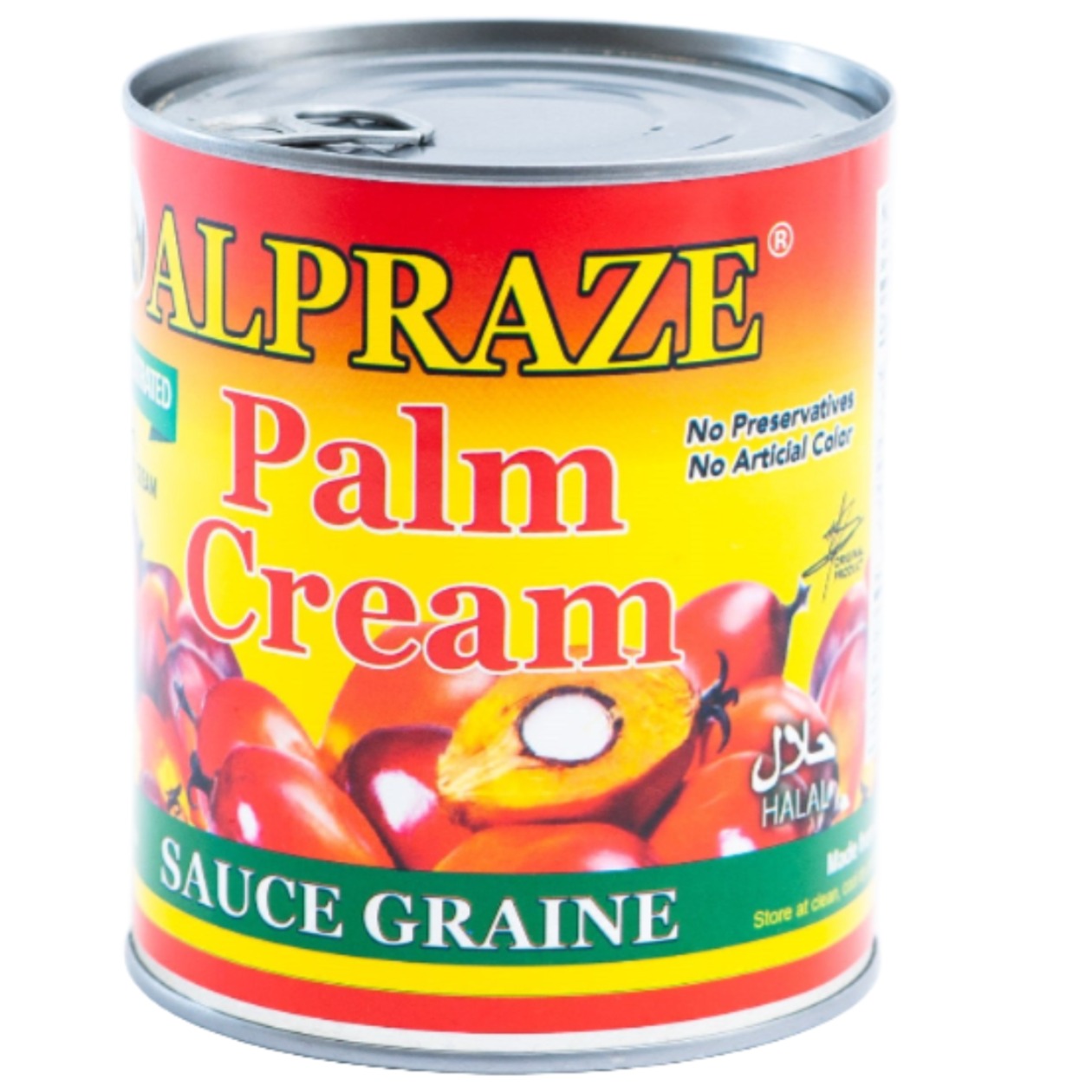
Traditionally, palm nut soup starts with boiling and pounding fresh palm fruit to extract the cream — a lengthy process. Palm cream concentrate shortcuts this significantly, giving you the same rich base to build the soup from without the extraction step. Season with bouillon spices for a fuller, rounder flavor.
Abenkwan vs. Banga Soup
Abenkwan is closely related to what's called banga soup in Nigeria and other parts of West Africa — both are built from the same palm fruit base, though preparation and accompanying spices vary by region. For a deep dive on the palm oil side of this family of soups, see our banga soup guide.
What to Eat Abenkwan With
Abenkwan is classically served with fufu, banku, or rice, letting the starch soak up the rich, spiced soup.
Frequently Asked Questions
What is abenkwan made of?
Abenkwan (palm nut soup) is made from palm fruit pulp, simmered with meat or fish, onions, pepper, and traditional spices until rich and thick.
Is abenkwan the same as banga soup?
They're closely related — both are made from palm fruit — but abenkwan is the Ghanaian preparation and name, while banga soup refers to the Nigerian/Niger Delta version, with some variation in spices and preparation.
What do you eat abenkwan with?
Abenkwan is traditionally served with fufu, banku, or rice.


