
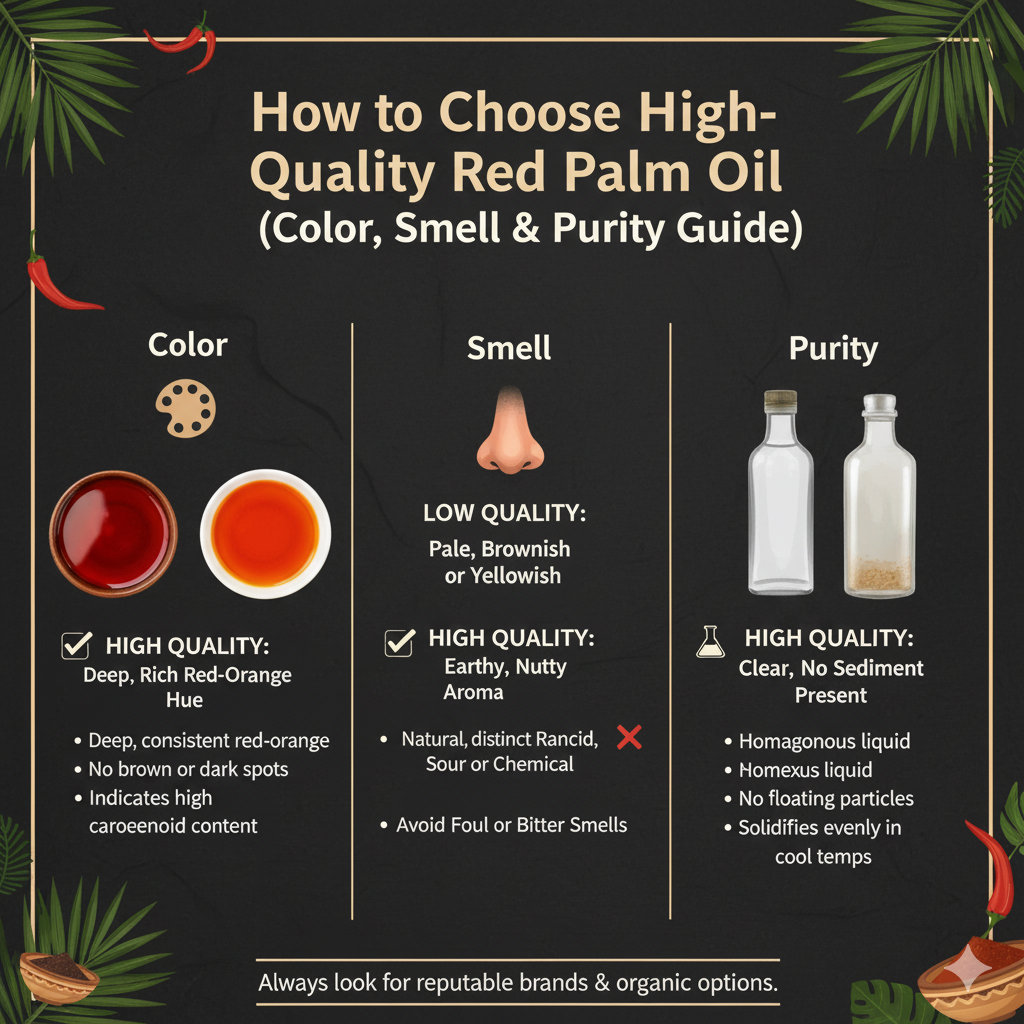
How to Choose High-Quality Red Palm Oil (Color, Smell & Purity Guide)
Not all red palm oils are created equal. Some are bright, flavorful, and naturally aromatic, while others are dull, diluted, or overly processed. If you want authentic African taste in your soups and stews, you need to know how to identify the best quality red palm oil. This guide shows you exactly what to look for, including color, aroma, texture, sourcing, and purity so you can buy with confidence every time.
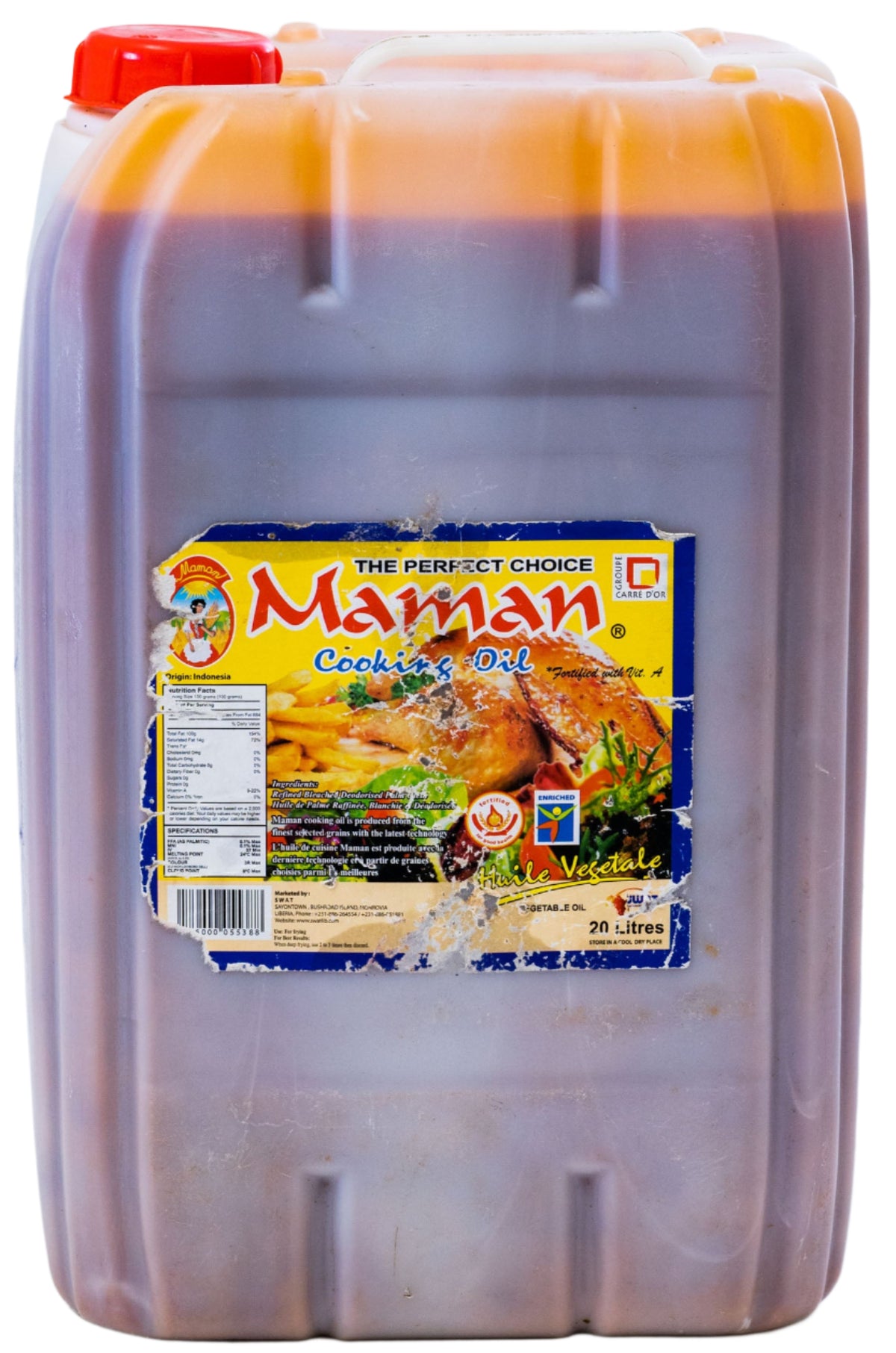 |
Maman Red Palm Oil 20 Liters Buy Now |
 |
Banga Red Palm Oil 4L Buy Now |
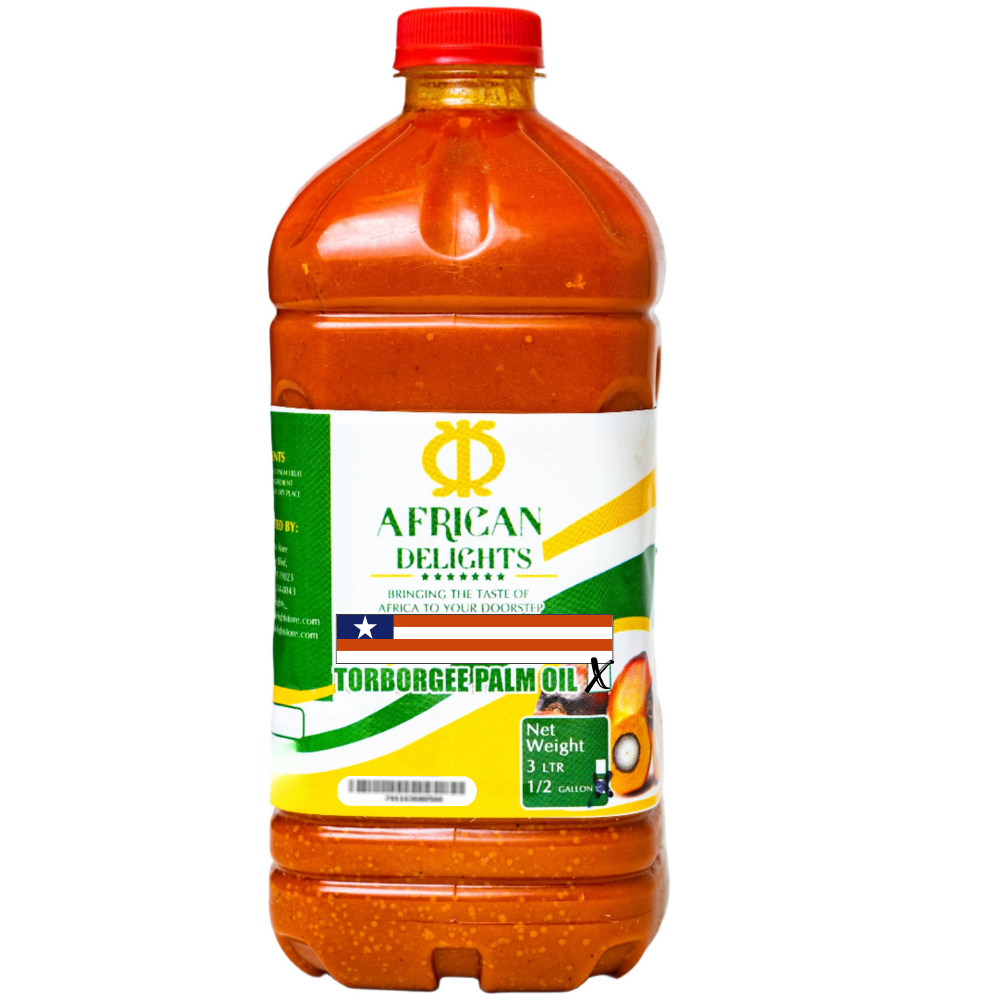 |
African Delights Torborgee Palm Oil Buy Now |
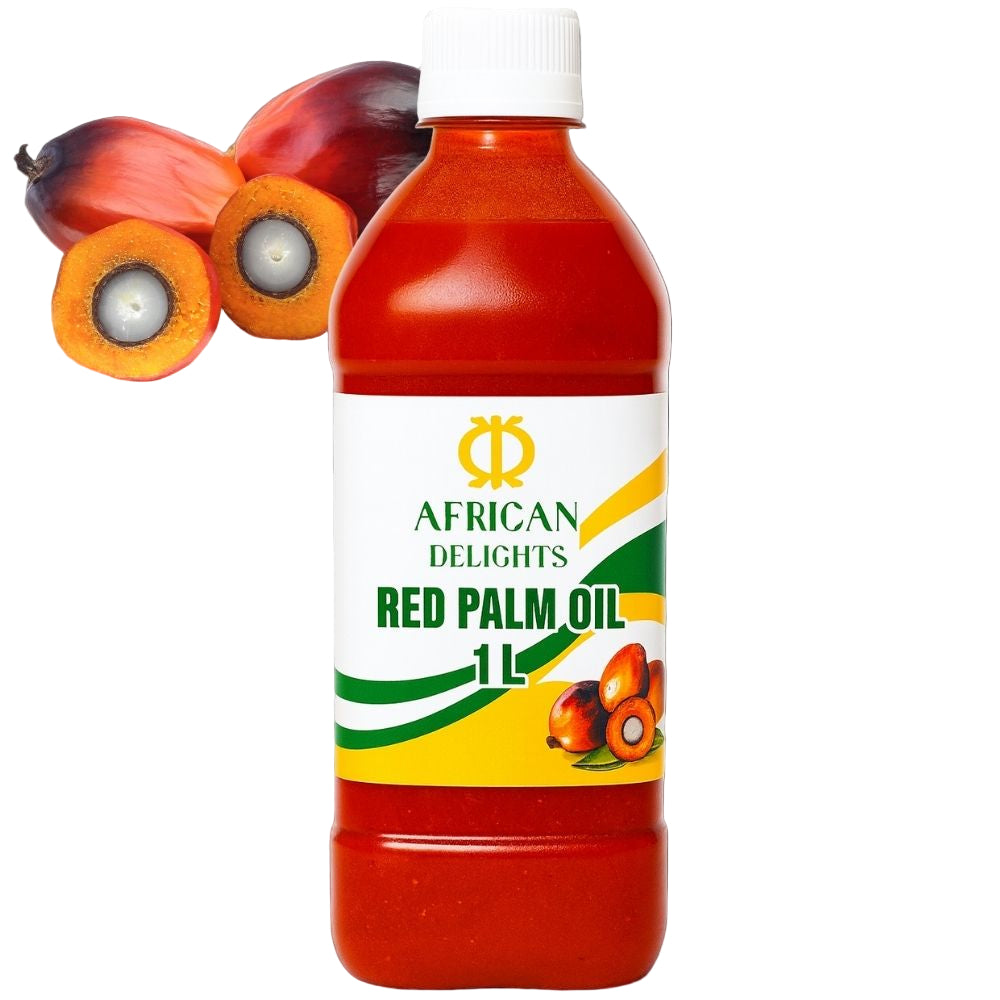 |
African Delights Red Palm Oil Buy Now |
Why Choosing High-Quality Red Palm Oil Matters
The quality of palm oil you buy affects your food’s color, aroma, and taste. Low quality palm oil can lead to dull soup, weak flavor, or unpleasant smell. High quality red oil brings out that beautiful red orange color and bold aroma African cuisine is known for.
Related article: The Ultimate Guide to Red Palm Oil for African Cooking (Benefits, Uses & Culture)
How to Identify the Best Quality Red Palm Oil
1. Check the Color
High quality red palm oil should have a rich red or deep orange color. If it looks pale, washed out, or too yellow, it may be over processed, mixed, or low grade.
2. Smell for Natural Aroma
Good palm oil has a clean, earthy, slightly nutty smell. If it smells sour, smoky in a bad way, or overly fermented, the oil may be old or poorly stored.
3. Look at the Texture
Premium red oil has a smooth, thick texture. It should not be watery or feel separated unless exposed to cold temperatures. Graininess is natural if the oil solidifies but should melt back to smooth form.
4. Check for Purity
Pure palm oil contains no additives, dyes, or artificial coloring. Authentic oil gets its color from natural carotenoids. Always check that your oil is unrefined and all natural.
5. Consider the Source
Farm sourced oils from West Africa tend to have the best flavor. Oils sourced in bulk or blended with vegetable oils can taste lighter and lack aroma.
6. Examine Packaging for Freshness
The container should be sealed tight with no signs of leakage. For large sizes like 20 liters, make sure the cap is secure and the oil has not been exposed to heat.
Signs of Low-Quality Red Palm Oil
If your palm oil looks cloudy when warm, smells sour, has black residue, or tastes bitter, it is not high quality. Always choose reliable brands with consistent sourcing.
Related article: 10 Powerful Health Benefits of Red Palm Oil Backed by Science
Checklist for Choosing High Quality Red Palm Oil
- Deep red or orange color
- Natural earthy aroma
- Thick, smooth consistency
- Unrefined and additive free
- Sourced from trusted African farms
- Packed fresh and tightly sealed

Frequently Asked Questions
What color should real red palm oil be?
Pure red palm oil should have a strong red or orange shade that comes from natural carotenoids.
Does the smell indicate quality?
Yes. Good palm oil has a mild earthy aroma. Sour or overly fermented smells indicate low quality.
Why is my palm oil sometimes solid?
Cold temperatures cause natural solidification. Warm it gently and it returns to smooth liquid form.
Is unrefined palm oil better for cooking?
Yes. Unrefined palm oil has stronger aroma, richer color, and more nutrients for authentic African cooking.
Where can I buy high quality palm oil?
You can find premium, all natural palm oil from African Delight Store with both small and bulk sizes available.
Conclusion
Choosing the best quality red palm oil ensures your soups, stews, and traditional dishes taste rich, flavorful, and authentic. Look for color, aroma, purity, and packaging to guarantee you are buying real, premium oil every time.
Related article: Torborgee Palm Oil vs Regular Red Palm Oil: What’s the Real Difference?


4 comments
Jason Godgift
Hello everyone this is the opportunity for you to get cured completely from herpes virus with the good herbs of DR AGBOMIAN SUNDAY the good man you can give a try of this good herbal cure for herpes it’s really amazing i also recommended it as well contact his TIKTOK PAGES: https://www.tiktok.com/agbomianherbalmedication inbox his EMAIL: DRAGBOMIANHERBALCURED77GMAIL.COM
Lucy Morgan
God is Good!
I promised God that I would share my testimony on this website. I had all the signs of STD Virus but I was not too sure as to which one. I did a lot of online research and scared myself straight for a whole week before going to see the nurse. She took one look at my genital part and first said that it could just be the anatomy of my body, then she said it looked like genital warts and that I May have herpes. I was devastated. She gave me some medicine for the herpes and some cream for the warts. I was also tested for every single STD including herpes. I went home and cried searching the web for all sorts of cures for herpes and awaiting my results. I saw a post whereby Dr. Kham cured Herpes and other diseases, I copied his contacts out and added him on WhatsApp. The next day my test result was ready and I confirmed Herpes positive. I told Dr. Kham about my health problems and he assured me of a cure. He prepared his herbal medicine and sent it to me. I took it for 14 days (2 weeks). Before the completion of the 14 days in which I completed the dose, The Blisters and Warts that were on my body were cleared. I went back for a check-up and I was told I’m free from the virus. Dr. Kham cures all types of diseases and viruses with the help of his herbal medicine. You can reach Dr. Kham via his email: dr.khamcaregiver@gmail.com or WhatsApp him on +2348159922297 and You can Also Visit his website; herbalistdrkhamcaregiver.simdif.com and his Facebook page; https://www.facebook.com/drkhamherbremedies/
Davis Bright
How to Recover Your Crypto Investments from Scammers / Alpha Recovery Experts
Prominent blockchain analysis firm ALPHA RECOVERY EXPERTS, are renowned for its cutting-edge instruments and proficiency in monitoring cryptocurrency transactions. Alpha Recovery Experts, often utilized by scam victims , is an expert in tracking down misplaced or stolen digital assets and detecting illegal activity. Their strong forensic capabilities analyze blockchain data to recover stolen crypto and offer clients clear recovery alternatives and legal remedies. Since Alpha Recovery Experts have proven to be a professional and successful crypto recovery service, the team has gained global trust.
Contact Below;
Email; Alpharecoveryexpert@consultant.com
WhatsApp; +44(745)742-4681
Davis Bright
How to Recover Your Crypto Investments from Scammers / Alpha Recovery Experts
Prominent blockchain analysis firm ALPHA RECOVERY EXPERTS, are renowned for its cutting-edge instruments and proficiency in monitoring cryptocurrency transactions. Alpha Recovery Experts, often utilized by scam victims , is an expert in tracking down misplaced or stolen digital assets and detecting illegal activity. Their strong forensic capabilities analyze blockchain data to recover stolen crypto and offer clients clear recovery alternatives and legal remedies. Since Alpha Recovery Experts have proven to be a professional and successful crypto recovery service, the team has gained global trust.
Contact Below;
Email; Alpharecoveryexpert@consultant.com
WhatsApp; +44(745)742-4681