
Walk through most Ghanaian towns early in the morning and you'll find a koko seller with a steaming pot — hausa koko is one of the most common breakfasts in the country, spicy, warming, and deeply comforting.
What Is Hausa Koko?
Hausa koko is a fermented porridge made from millet, spiced with ginger, cloves, and sometimes cayenne pepper or grains of selim, giving it a distinctive spicy-warm flavor unlike a typical sweet breakfast porridge. It gets its name from the Hausa communities historically associated with selling it, though it's enjoyed across Ghana today.
How Hausa Koko Is Made
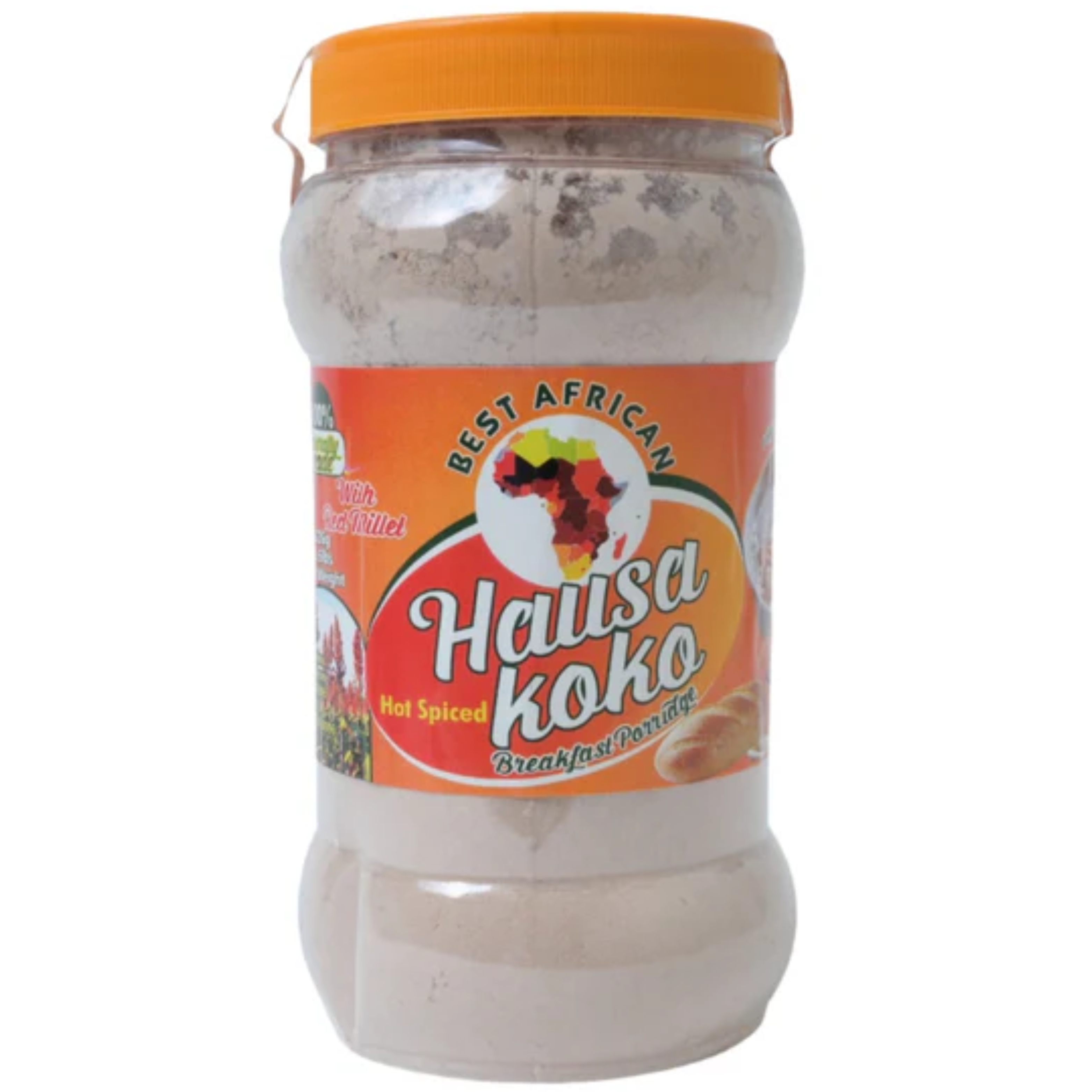
Traditionally, millet is soaked and fermented for a day or more, then blended with spices, strained, and cooked into a smooth, pourable porridge. For an easier version at home, our Hausa Koko mix and Nayass Hausa Koko give you the same base flavor without needing to ferment millet from scratch — just prepare according to the package and adjust spice to taste.
What Is Hausa Koko Served With?
Koko is almost always served with something to dip or eat alongside — most classically koose (spiced bean cakes) or bofrot (Ghanaian doughnuts/puff-puff). Sugar, milk, or condensed milk are often stirred in to balance the spice.
Frequently Asked Questions
What is Hausa koko made of?
Hausa koko is made from fermented millet, spiced with ginger, cloves, and sometimes cayenne pepper or grains of selim, then cooked into a smooth porridge.
Is Hausa koko spicy?
Yes, hausa koko has a mild-to-moderate spice from ginger, cloves, and pepper, though the heat level can be adjusted to taste.
What do you eat with Hausa koko?
Hausa koko is traditionally eaten with koose (bean cakes) or bofrot (Ghanaian doughnuts), often with sugar or milk stirred in.


