
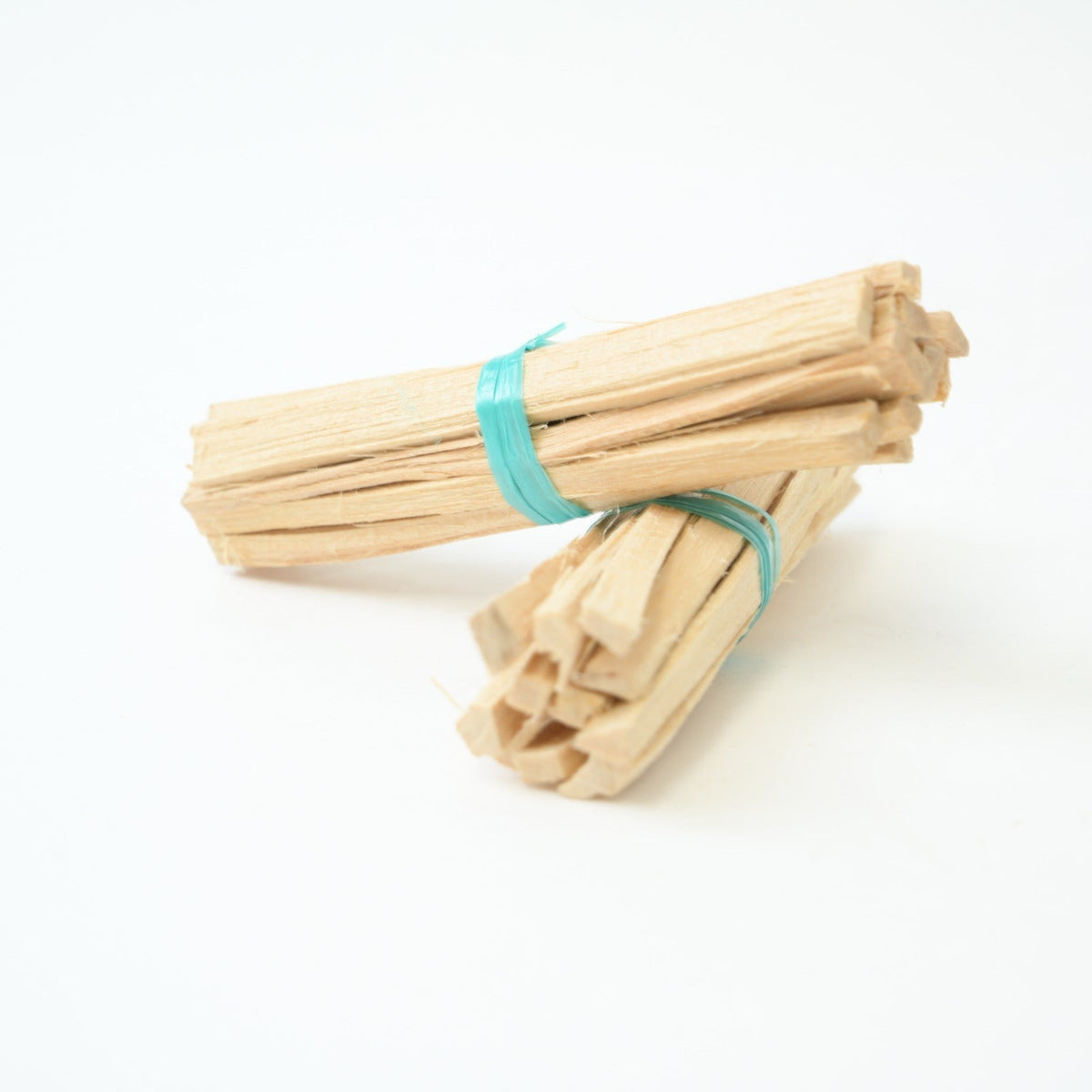
Long before toothbrushes and toothpaste were common household items, chewing sticks were the standard oral-care tool across much of West Africa — and they're still used today, both traditionally and as a natural alternative alongside modern dental products.
What a Chewing Stick Is
A chewing stick is a small twig or root cut from specific trees known for natural cleansing and mildly abrasive properties, used by chewing one end until it frays into a brush-like texture, then using that frayed end to clean the teeth and gums. Our chewing stick is the traditional style used across West African households for generations.
How to Use It
Chew one end of the stick gently until the fibers separate and soften into a brush-like tip — this usually takes a minute or two of chewing. Once frayed, use that end to brush the teeth and gums in the same general motion you'd use with a toothbrush, then trim or discard the frayed section after use and re-fray a fresh section from the same stick for the next use, or use a new stick.
What to Expect
Some chewing sticks have a naturally bitter, astringent, or slightly numbing taste depending on the tree species they come from — this is a normal characteristic of the traditional stick, not a sign of anything wrong with it. The natural fraying process also means each use produces a slightly different brush texture, unlike a manufactured toothbrush with consistent bristles.
Chewing Sticks vs. a Modern Toothbrush
A chewing stick isn't necessarily meant to fully replace a modern toothbrush and toothpaste routine — many people use chewing sticks traditionally or occasionally alongside standard oral care, like Pepsodent toothpaste or a dedicated hard-plaque-remover toothbrush, rather than as an exclusive substitute.
Storing a Chewing Stick
Keep chewing sticks in a dry, well-ventilated spot rather than a sealed, damp container, since trapped moisture can cause mold to develop on the wood. Cutting a fresh section as needed, rather than leaving the same frayed end exposed for extended periods, helps keep each use cleaner.
Where Chewing Sticks Come From
Chewing sticks are typically cut from specific tree species known and selected across generations for their oral-care properties — different regions and communities have their own preferred tree species, so "chewing stick" isn't a single standardized product but a category with regional variation, similar to how different regions favor different traditional herbal remedies.
A First-Time User's Experience
If you're trying a chewing stick for the first time, expect the fraying process to feel unfamiliar compared to simply picking up a toothbrush — it takes a bit of practice to get an evenly frayed brush tip, and the taste (often bitter or astringent) can also take some getting used to for someone who hasn't grown up with it. Starting with shorter sessions and gradually building up familiarity with the technique tends to make the process feel more natural over time.
A Traditional Practice Still in Use Today
Chewing sticks remain culturally significant well beyond their practical oral-care function — they're a recognizable, everyday piece of West African tradition that's persisted alongside, rather than been fully replaced by, modern dental products, similar to how African black soap has stayed a household staple alongside commercial soap. If you're building a fuller traditional personal-care routine, see our simple African bath and body routine guide for how these pieces fit together. Browse our full health and oral care collection for the rest of a complete routine.
Frequently Asked Questions
How do you use an African chewing stick?
Chew one end gently until the fibers fray into a brush-like tip, then use that end to brush the teeth and gums, similar to using a toothbrush.
Why do some chewing sticks taste bitter?
Many chewing sticks come from tree species with a naturally bitter or astringent taste — this is a normal characteristic, not a sign of a problem with the stick.
Can chewing sticks replace a toothbrush entirely?
They can be used as a traditional oral-care tool on their own, though many people use them alongside a modern toothbrush and toothpaste rather than as an exclusive substitute.
How should chewing sticks be stored?
Store them in a dry, well-ventilated spot rather than a sealed, damp container, since trapped moisture can cause mold to develop on the wood.


